

Zansors Secures Issued Patent for Health Monitoring; New IP Enables Remote Detection of Health Anomalies
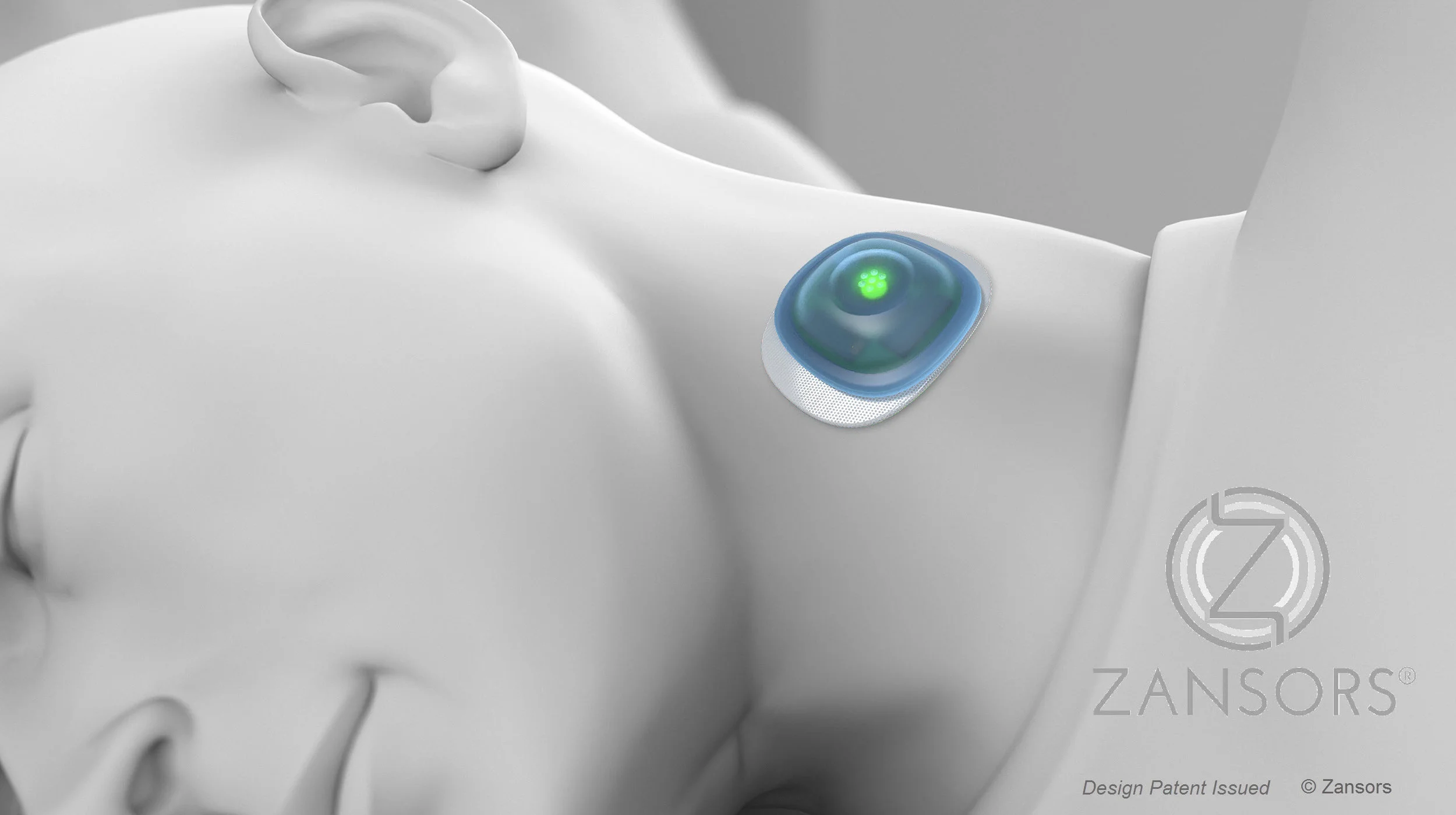
Zansors, a wearable tech company based in Northern, Virginia, has added to its growing collection of patents. Zansors was recently awarded a patent for a wearable patch to automatically monitor, screen and/or report health conditions. Zansors’ next-generation intellectual property (IP) will allow health monitoring devices to detect sleeping or breathing disorders.
ARLINGTON, VA. (March 26, 2019) – Zansors, a wearable tech company based in Northern, Virginia, has added to its growing collection of patents. Zansors was recently awarded a patent for a wearable patch to automatically monitor, screen and/or report health conditions. Zansors’ next-generation intellectual property (IP) will allow health monitoring devices to detect sleeping or breathing disorders.
“Zansors is developing and bringing to market, small, wearable and easy-to-use devices that will represent the next generation in sleep apnea and lifestyle technologies. This latest patent represents an important step in implementing our devices into the daily life of our customers,” said Abhijit Dasgupta, Ph.D., inventor of the patent and Co-Founder and Chief Data Science Officer at Zansors.
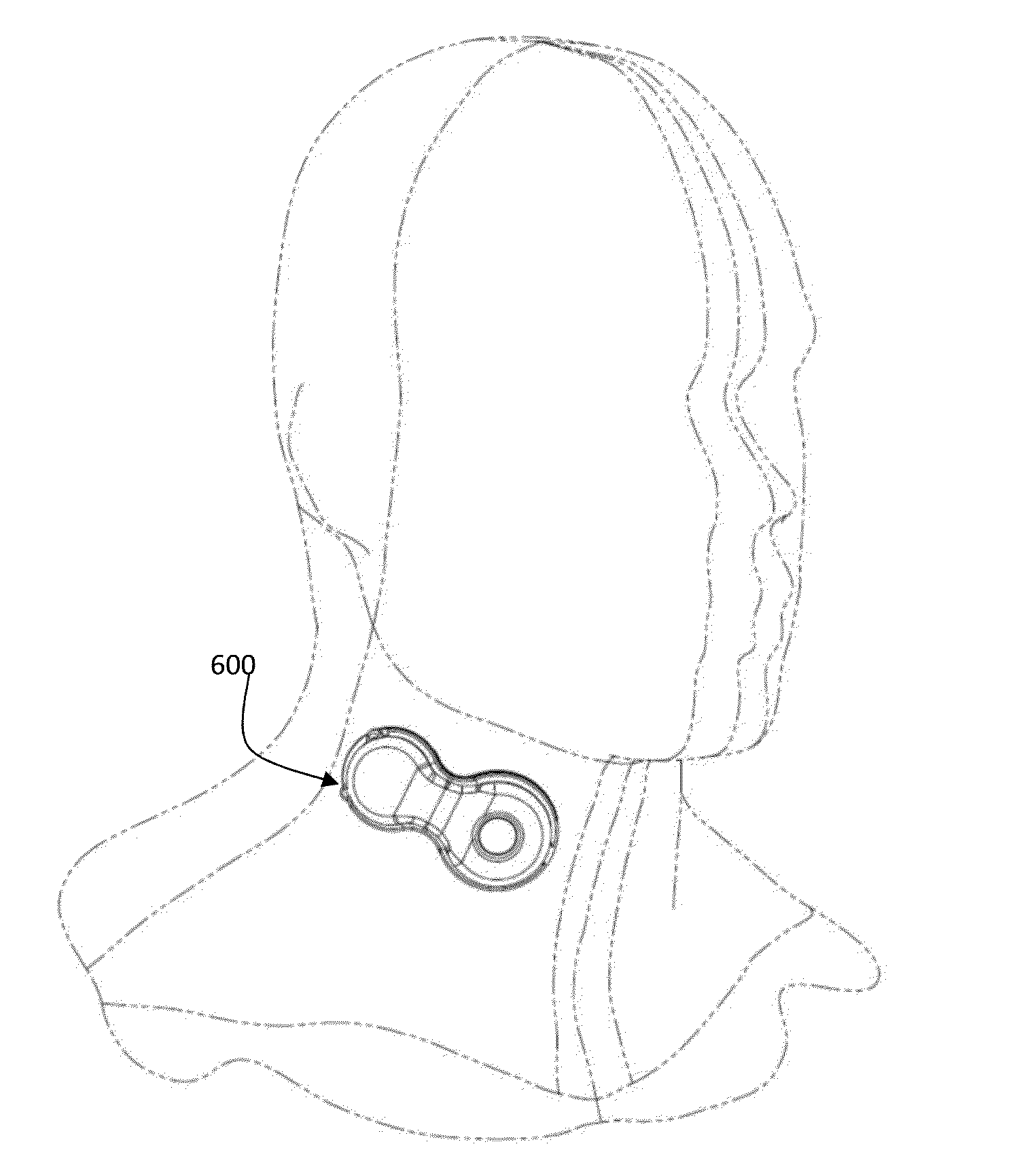
This system for monitoring conditions can also be used to monitor and diagnose other medical conditions such as, but not limited to, asthma, pneumonia, chronic obstructive pulmonary disease (COPD), congestive heart failure, arrhythmias, restless leg syndrome, seizures, falls, metabolic/nutritional levels (e.g. glucose and lipid monitoring) and sudden infant death syndrome (SIDS). Several wellness and fitness conditions can be monitored besides health conditions such as physical activity monitoring (ventilatory threshold, intensity and type, calorie expenditure, and sedentary vs. activity analysis), baby monitoring, from breaths.
This utility patent focuses on health monitoring via a wearable biosensor by employing algorithm and signal processing methods for physiological signals. Zansors was also previously issued a patent for specialized protecting adhesive to be used for wearable health sensor patches. These patents underpin the path to commercialization for Zansors’ R&D investments in wearable tech.
“Zansors is creating a future that allows remote detection of several health conditions that can be currently monitored only in a clinical setting. Linking subjective information from a mobile application with objective data using this system can provide a holistic picture of health, wellness and activity of the individual,” said Dasgupta. “Zansors’ wearable health tech is going to change how well you ‘know yourself’.”
Zansors’ new patent will lead to monitoring capability in the hands of consumers who can be empowered to monitor more of their health conditions on a continuous basis, instead of episodic screening in a clinical lab setting.
“The advancement in wearable biosensor technology can be further accelerated by innovations in signal processing for diagnostic purposes,” said Dale Lazar of DLA Piper, a global law firm. “The patent granted by the United States proves that Zansors is innovating effectively.” DLA Piper’s Reston, Virginia office supported patent prosecution.
For more information on this patent, view the summary. Learn more about Zansors’ technologies at www.zansors.com, where you can sign up for email updates, and follow us on Facebook and Twitter.
About Zansors
Zansors is a Washington, DC metro-based healthcare innovation company delivering personal health analytics into the hands of consumers via wearable bio-sensors and health apps. Driven by our credo of “know yourself,” Zansors combines evidence-based apps, bioengineering and data analytics, allowing consumers to take charge of their health. Our proprietary biotechnology platform includes micro-sensors and micro-fluidics (also known as “lab-on-a-chip”) backed by a strong portfolio of patents filed. Zansors has previously received funding awards by NIH.

Respa Breathing Sensor Enables Everyday Athletes to Monitor Ventilatory Threshold and Avoid Overtraining, According to Winthrop University Study
Respa, the world’s first breathing sensor and future of fitness, today announced findings from a three-month study conducted with Winthrop University to measure the effectiveness of detecting the onset of athletes’ ventilatory threshold.
Three-month study finds Respa detects changes in breathing and can warn athletes before they hit their ventilatory threshold – delaying its onset, thereby preventing overtraining and muscle damage.
June 26, 2018, Arlington, VA – Respa, the world’s first breathing sensor and future of fitness, today announced findings from a three-month study conducted with Winthrop University investigator Tyrone Ceaser, PhD to measure the effectiveness of detecting the onset of athletes’ ventilatory threshold.
The patent-pending Respa is an easy-to-use, but highly sophisticated, wearable analyzer that tracks breathing patterns for the duration of workouts. The small device and companion app allow users to train smarter and practice better as they get real-time alerts that help them stay in their optimal breathing zone, in addition to post-workout analyses to track progress and plan workouts.
According to the study, Respa is an effective method for enabling everyday athletes to measure lactic acid and ventilatory threshold levels, arming them with the data needed to avoid overtraining and preventing muscle damage.
“Lactic acid threshold and ventilatory threshold are commonly used as a reference point for exercise intensity,” said Dr. Abhijit Dasgupta, PhD, Zansors’ co-founder and Chief Data Science Officer. “Measuring an athlete’s lactic acid threshold and ventilatory threshold can prevent overtraining and muscle damage, however, everyday athletes do not typically have access to these levels without going to a lab. The goal of this study was to understand just how effective an everyday wearable sensor like Respa could be in providing athletes with this type of insight – during their workouts.”
During the study at Winthrop University, scientists studied six athletes on a treadmill wearing a Respa breathing sensor. They progressively increased the incline of a treadmill, then used laboratory equipment to measure breathing and heart rate to determine when ventilatory threshold was attained.
Scientists discovered that acoustic breathing signals detected by Respa show a signature pattern when the athlete reaches ventilatory threshold. This is characterized by a small decrease in signal followed by a rapid increase; the characteristic dip in signal occurs roughly a minute before VT is reached. By detecting this pattern, Respa can quickly notify athletes that they are close to hitting their ventilatory threshold, thus enabling them to immediately shift exercise intensity and delay the onset of the ventilatory threshold. Moreover, once VT is reached during these experiments, the signal continues to rise rapidly.
“These results of this proof-of-concept study show that measuring ventilatory threshold outside of the lab is possible for anyone, anywhere,” continued Dasgupta. “Having everyday access to this type of insight empowers athletes – and those undergoing physical rehabilitation – with the ability to take their physical performance and capabilities into their own hands. Now, anyone can understand how to perform at optimal levels for their body – safely.”
Find more details on the findings of this study here and for more information about Respa and to purchase the sensor at an exclusive discount by pre-ordering, visit the Respa campaign page on Indiegogo.
About Zansors
Zansors is a Washington, D.C. metro-based health innovation company delivering personal health analytics to consumers via wearable bio-sensors and health apps. Driven by the company’s credo of “know yourself,” Zansors combines evidence-based apps, bioengineering and data analytics, allowing consumers to take charge of their health. Zansors’ proprietary biotechnology platform includes micro-sensors and micro-fluidics (also known as “lab-on-a-chip”) backed by a strong portfolio of patents filed. Zansors has previously received six funding awards from the National Institutes of Health (NIH) and has formal partnerships with the University of Michigan and George Washington University.

Respa, the Future of Fitness Wearable that Analyzes Breathing for Athletes, to Build on Amazon Alexa
Respa, the world’s first breathing analyzer, designed to improve athletic performance while running, yoga and other workout sessions, will look to integrate its technology with Amazon Alexa.
‘Alexa, how’s my workout going?” Clip-on coach helps users train better and smarter by providing real-time alerts about optimal breathing zones will look to integrate with Alexa
Washington, D.C. (June 21, 2018) – Respa, the world’s first breathing analyzer, designed to improve athletic performance while running, yoga and other workout sessions, will look to integrate its technology with Amazon Alexa.
The patent-pending Respa is an easy-to-use, but highly sophisticated, wearable analyzer that tracks breathing patterns for the duration of workouts, the first of its kind for athletes. The small device and companion app allows users to train smarter and practice better. Real-time alerts help them stay in their optimal breathing zone, while post-workout analyses track progress and help to plan future workouts.
Alexa, the cloud-based voice service from Amazon, is the brain behind Amazon Echo and other Alexa-enabled devices. Using Alexa is as simple as asking a question—users ask, and Alexa will respond instantly.
Respa will add Alexa technology to easily monitor physical activities such as running and yoga and health metrics to offer a path to better health. Users can, for example, ask, “Alexa, can you tell me my breaths per minute?” to analyze their fitness activities.
“Alexa is the perfect complement to Respa, the clip-on coach of the people. The algorithms and analytics behind Respa fit well with voice-activated devices like Alexa,” said Dr. Abhijit Dasgupta, PhD, Zansors’ co-founder and Chief Data Science Officer. “Important health metrics being monitored can now offer a better path to better health. We want to introduce the digital coach that sees what others can't."
Breathing is a direct indicator of physical exertion and, unlike other fitness devices, Respa tracks current/real-time levels of aerobic fitness so athletes can optimize their training sessions.
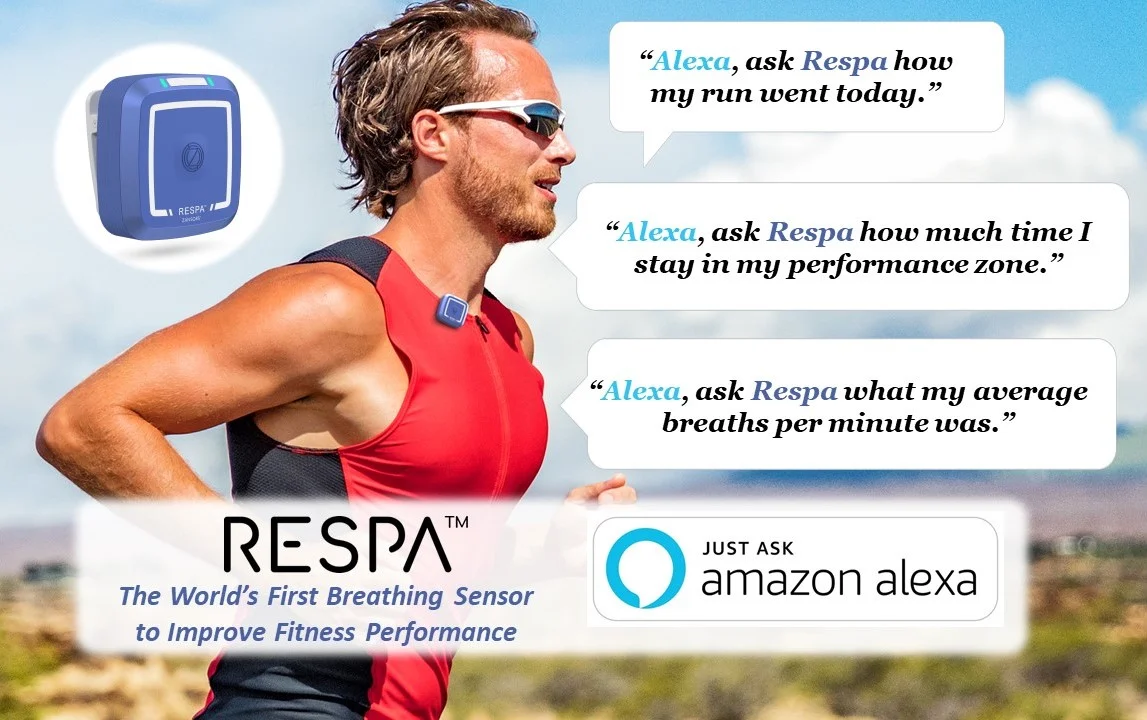
"We are happy that the Alexa team reached out to us,” said Baabi Das, Co-Founder of Zansors. “Respa enhances the future of voice-activated devices and human interaction. Building unique use cases in both running and yoga allows users to finish their workout and then chat with their digital coach."
Before Respa, athletes seeking breathing analysis required expensive tests using complicated, cumbersome equipment in a lab setting. Now, with Respa, the lab goes with the athlete, providing real-time analysis with every workout. Athletes get the most efficient and effective training, while yoga enthusiasts can use Respa to stay in-tune with their breath during their yoga practice.
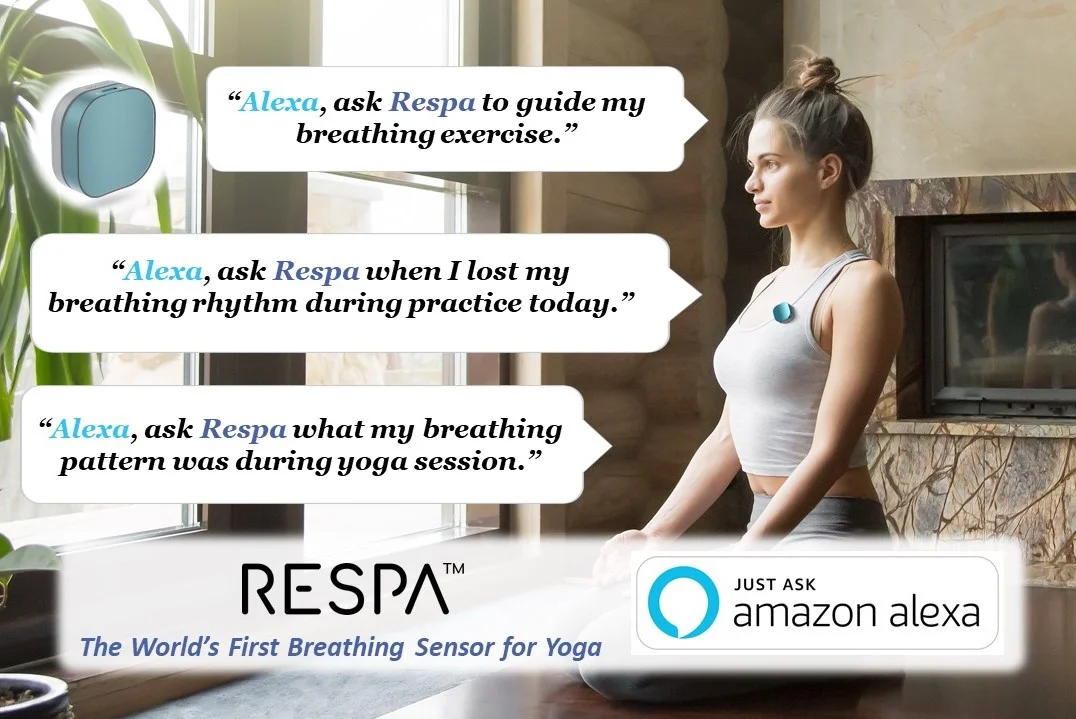
Respa can also help athletic coaches and fitness instructors guide their students with real-time feedback about their breathing patterns and rhythms. With the Respa app, they can track their athletes’ progress to guide their training and coaching decisions.
Respa is currently available in four different models: Respa Elite Fitness 3.0, Respa Better Yoga, Respa Fitness 2.0 and Respa Coach.
For more information about Respa and to purchase the sensor at an exclusive discount by pre-ordering, visit the Respa campaign page on Indiegogo.
About Zansors
Zansors is a Washington, D.C. metro-based health innovation company delivering personal health analytics to consumers via wearable bio-sensors and health apps. Driven by the company’s credo of “know yourself,” Zansors combines evidence-based apps, bioengineering and data analytics, allowing consumers to take charge of their health. Zansors’ proprietary biotechnology platform includes micro-sensors and micro-fluidics (also known as “lab-on-a-chip”) backed by a strong portfolio of patents filed. Zansors has previously received seven funding awards from the National Institutes of Health (NIH) and has formal partnerships with the University of Michigan and George Washington University.

Respa, the World’s First Breathing Analyzer to Improve Athletic Performance, Now Available on Indiegogo
Respa, the world’s first breathing analyzer, designed to improve athletic performance while running, and during fitness workouts and yoga sessions, has been launched on Indiegogo.
Respa, the world’s first breathing analyzer, designed to improve athletic performance while running, and during fitness workouts and yoga sessions, has been launched on Indiegogo here: 16e.fnd.to/respa
The patent-pending Respa is an easy-to-use, but highly sophisticated, wearable analyzer that tracks breathing patterns for the duration of workouts. The small device and companion app allow users to train smarter and practice better as they get real-time alerts that help them stay in their optimal breathing zone, in addition to post-workout analyses to track progress and plan workouts.
“Breathing is core to exercise and recent scientific studies have shown that your breathing patterns give a precise reading of how hard you are working,” said Nicole Stout, Zansors VP of Medical Affairs.
Breathing is a direct indicator of physical exertion and, unlike other fitness devices, Respa tracks current/real-time levels of aerobic fitness so athletes can optimize their training sessions.
“We found there was no fitness tracker out there that measures your breathing via sound, which is why we created Respa,” said Dr. Abhijit Dasgupta, PhD, Zansors co-founder and Chief Data Science Officer. “I’ve always had an interest in how data, when properly collected and analyzed, can help people know themselves and improve their lives, which is what Respa is designed to do.”
Dasgupta, who received his PhD in statistical analysis from the University of Washington and later worked at the National Cancer Institute in Bethesda, Maryland, has spent most of his career helping doctors and biomedical researchers analyze and understand complex data about diseases, from cancer to arthritis.
Before Respa, athletes seeking breathing analysis required expensive tests using complicated, cumbersome equipment in a lab setting. Now, with Respa, the lab goes with the athlete, providing real-time analysis with every workout. Athletes get the most efficient and effective training, while yoga enthusiasts can use Respa to stay in-tune with their breath during their yoga practice.
Respa can also help athletic coaches and fitness instructors guide their students with real-time feedback about their breathing patterns and rhythms. With the Respa app, they can track their athletes’ progress to guide their training and coaching decisions.
On lighter training days, sensors can be adjusted to reduce injury risk and allow for more recovery. On harder training days, sensors can be adjusted again to help athletes push themselves to their limits.
Respa is available in four different models: Respa Elite Fitness 3.0, Respa Better Yoga, Respa Fitness 2.0 and Respa Coach.
For more information about Respa and to purchase the sensor at an exclusive discount by pre-ordering, visit the Respa campaign page on Indiegogo.
About Zansors
Zansors is a Washington, D.C. metro-based health innovation company delivering personal health analytics to consumers via wearable bio-sensors and health apps. Driven by the company’s credo of “know yourself,” Zansors combines evidence-based apps, bioengineering and data analytics, allowing consumers to take charge of their health. Zansors’ proprietary biotechnology platform includes micro-sensors and micro-fluidics (also known as “lab-on-a-chip”) backed by a strong portfolio of patents filed. Zansors has previously received six funding awards from the National Institutes of Health (NIH) and has formal partnerships with the University of Michigan and George Washington University.

Zansors Develops Cloud-Based System to Share Patient-Created Data with Health Systems
Arlington, VA (December 19, 2017) -- Zansors labs has built the cloud components to allow sensors and apps to send data to medical institutions using the Direct standard, in compliance with Meaningful Use requirements.
HIPAA-compliant cloud protocol safely shares previously untapped data and insights
ARLINGTON, VA (December 19, 2017) - Zansors labs has built the cloud components to allow sensors and apps to send data to medical institutions using the Direct standard, in compliance with Meaningful Use requirements. This ensures that patients using Zansors tools have a secure way to send their personal health data to their healthcare team.
Zansors’ infrastructure will help patients send data from evidence based apps, through a secure cloud-based channel, to clinicians via a health system’s Electronic Health Record (EHR). This patient-collected health data will be invaluable for physicians because it is collected close to real time and interpreted in an evidence-based environment.
“In a world of data breaches, protecting patient privacy is critical,” said Dr. Abhijit Dasgupta, Co-Founder and Chief Data Science Officer at Zansors. “We’re developing a safe infrastructure for patients to share their data. Both clinicians and patients will have a more efficient, secure and consistent experience.”
Zansors’ sensors and apps are designed to collect evidence-based data based on biometrics, from sleep breathing to heart rate and more. Increasingly, patients are using devices that track their vitals, and they want to be able to share this data with their doctor. Likewise, health providers want to advance their efforts in telemedicine to improve quality of care.
“When patient-collected data can be easily sent to medical institutions, we will unlock an aspect of care that has always been in the ‘blind spot’ for clinicians,” said Nicole Stout, DPT, VP of Medical Affairs at Zansors. “There’s a gap between the episode of care and the day-to-day health experience that every person has. Data from sensors and apps, shared safely, will bridge that gap.”
With this cloud-based infrastructure in place, Zansors creates interoperability to bridge patient-generated data to health systems. Zansors can transmit data from any system in the Zansors network, to any other Direct server.
About Zansors
Zansors is a Washington, DC metro-based healthcare innovation company delivering Personal Healthcare Analytics into the hands of consumers via wearable bio-sensors and health apps. Driven by our credo of “know yourself,” Zansors combines evidence-based apps, bioengineering and data analytics, allowing consumers to take charge of their health. Our proprietary biotechnology platform includes micro-sensors and micro-fluidics (also known as “lab-on-a-chip”) backed by a strong portfolio of patents filed. Zansors has previously received 6 funding awards from NIH and has formal partnerships with the University of Michigan and George Washington University.

Zansors and Blauer Manufacturing Announce Partnership for Defense Wearables
Zansors and Blauer Manufacturing Inc. announced a partnership to introduce wearable technology in defense textiles, which can be used to improve safety and utility of gear for first responders and the military. Zansors’ innovative sensor technology will advance the utility of Blauer’s gear designed for police, fire, EMS and military.
First-responders, military will benefit from tech-to-textile collaboration
ARLINGTON, VA (October 24, 2017) - Zansors and Blauer Manufacturing Inc. announced a partnership to introduce wearable technology in defense textiles, which can be used to improve safety and utility of gear for first responders and the military. Zansors’ innovative sensor technology will advance the utility of Blauer’s gear designed for police, fire, EMS and military.
Not only will the collaboration lead to gear that is designed to protect, it will be a highly functional and result in a new category of data-rich defense garments. This smart gear for first-responder and military engagements will have mission-specific applications beyond the offerings of consumer tech-to-textile products.
“Textiles are entering a fascinating era in which technology is going to transform utility and what we expect from garments,” said Stephen Blauer, Sr. VP, at Blauer. “Our partnership with Zansors is about combining best-in-class garments and sensors.”
This collaboration can benefit military and first-responders by monitoring both internal and external factors that improve performance and safety. For example, fabrics can be used to capture biometric data, like breathing, motion or ECG, as well as external factors such as determining location or detecting chemical gases. This real-time information will support decision-making by military leaders and responder agencies.
There is also opportunity to create advantages to the individuals in the field by adapting to local conditions. Fabrics enhanced with sensors can be developed to change colors, be more sweat-friendly, ballistic-hardened, or tear and puncture proof.
“We see that the Department of Defense and the Department of Homeland Security are leading the way in developing gear that makes a difference for those who risk their lives to protect us,” said Nicole Stout, DPT, vice president of Medical Affairs at Zansors. “Working together gives Zansors and Blauer the combined expertise in technology and textiles to take action and create gear that isn’t only best-in-class, but never-before-seen. We’re laying the groundwork for our labs to build the future of tech-wear for first-responders and military.”
About Zansors
Zansors is a Washington, DC metro-based healthcare innovation company delivering Personal Healthcare Analytics into the hands of consumers via wearable bio-sensors and health apps. Driven by our credo of “know yourself,” Zansors combines evidence-based apps, bioengineering and data analytics, allowing consumers to take charge of their health. Our proprietary biotechnology platform includes micro-sensors and micro-fluidics (also known as “lab-on-a-chip”) backed by a strong portfolio of patents filed. Zansors has previously received 6 funding awards from NIH and has formal partnerships with the University of Michigan and George Washington University.
About Blauer
Blauer is a fourth generation Boston based manufacturer of uniforms, outerwear, footwear, protective apparel and accessories for first responders and military users. Blauer produces leading edge chemical and biological PPE with ChemPack fabrics and provides uniforms, outerwear and safety gear to police, firefighters and emergency medical techs nationwide. Blauer holds numerous patents on technology related improvements to uniforms, clothing and uniform accessories.

Zansors Secures Issued Patent for Heart Monitoring Device New IP Paves Way for Personal Health Analytics
ARLINGTON, VA. (May 16, 2017) - Zansors has secured a patent from U.S. Patent and Trademark Office (USPTO) for a wireless electrocardiogram (ECG or EKG) acquisition and monitoring device. This Zansors’ next-generation intellectual property (IP), will allow heart- monitoring devices to be integrated into clothing, or secured directly onto the skin, making them significantly easier to deploy and use.
ARLINGTON, VA. (May 16, 2017) - Zansors has secured a patent from U.S. Patent and Trademark Office (USPTO) for a wireless electrocardiogram (ECG or EKG) acquisition and monitoring device. This Zansors’ next-generation intellectual property (IP), will allow heart- monitoring devices to be integrated into clothing, or secured directly onto the skin, making them significantly easier to deploy and use.
Currently, ECG sensors use old-standard technology that requires electrodes to be in contact with the wearer’s skin. Zansors’ new patented device uses capacitive sensors, a well-proven technology similar to the sensors found in cell phones and tablets. These sensors can measure electrical potentials without touching the body.
Zansors is opening up a future that allows patients the same accuracy of readings on their mobile device that they currently can only experience in a clinical setting.
“Zansors’ wearable health tech is going to change how you ‘know yourself,’ but we keep a focus on fact that the user has to have a great experience using the technology,” said Nicole Stout, DPT, Vice President of Medical Affairs at Zansors. “Focusing on a patient-friendly experience with wearables has led directly to this patent.”
According to the January 2017, American Heart Association 2017 Heart Disease and Stroke Statistics Update, the number of people diagnosed with heart failure is increasing and projected to rise by 46 percent by 2030, resulting in more than 8 million people with heart failure.
ECGs monitor the heart’s electrical activity and can point to the cause of symptoms of heart disease. Zansors’ new patent will lead to monitoring capability in the hands of consumers who are at-risk for a cardiac episode. People will be able to share their ongoing results with their primary care doctor or cardiologist on a continuous basis, instead of at doctor’s visits. New medications or pacemakers that may affect the heart would be closely monitored to ensure they are effective.
“At Zansors, we have assembled a team of medical researchers, biostatisticians and clinicians to develop unique technologies to support accurate and usable health technology,” said Abhijit Dasgupta, Ph.D., Co-Founder and Chief Data Science Officer at Zansors. “This intellectual property granted by USPTO proves that we are doing that effectively.”
Global law firm DLA Piper’s Reston, Virginia location supported patent prosecution. For more information on this patent, view the summary. Learn more about Zansors’ technologies at www.zansors.com, where you can sign up for email updates, and follow us on Facebook and Twitter.
About Zansors
Zansors is a Washington, DC metro-based healthcare innovation company delivering Personal Health Analytics into the hands of consumers via wearable bio-sensors and health apps. Driven by our credo of “know yourself,” Zansors combines evidence-based apps, bioengineering and data analytics, allowing consumers to take charge of their health. Our proprietary biotechnology platform includes micro-sensors and micro-fluidics (also known as “lab-on-a-chip”) backed by a strong portfolio of patents filed. Zansors has previously received 6 funding awards by NIH and has formal partnerships with the University of Michigan and George Washington University.

Zansors Announces Issued Patent Protecting Adhesive for Wearable Health Sensors
Patent captures stackable adhesive layers for wearable patches that combine electronics and health monitoring
Patent captures stackable adhesive layers for wearable patches that combine electronics and health monitoring

ARLINGTON, Va. (March 29, 2017) - Zansors announced today its first utility patent for a wearable patch comprising multiple separable adhesive layers, as issued by the U.S. Patent & Trademark Office (USPTO). The patent covers a wearable patch with stackable adhesive layers as it applies to combining electronics and health monitoring. This invention will be critical to the future of wearable tech for health applications.
Zansors is committed to putting affordable medical-grade tools into the hands of consumers, thus responding to the demand for Personal Health Analytics, as the market moves beyond entry-level devices.
The patented invention allows for peel-and-stick sensor patches comprising of hardware electronics components, durable components, integrated circuits, and disposable layers. Zansors engineering and innovation team pioneered a method to reuse hardware electronics, reduce hardware waste and increase power and storage via the use of more robustly engineered components.
The utility patent will be commercialized for many applications including sleep apnea, stroke, glucose monitors, and next-generation adhesive sensors. In addition, the patent has positive implications for global health by making wearable sensors more affordable. These factors underpin the path to commercialization for Zansors’ R&D investments.
“Wearable health sensors have the potential to save lives, but only when they are supported by new and novel technologies that foster medical-grade accuracy and ease-of-use. At Zansors, we are pioneering the inventions that will be commercialized for a global audience,” said Abhijit Dasgupta, Ph.D., Co-Founder and Chief Data Science Officer at Zansors. “Our first issued utility patent is going to pave the way for next-generation medical technologies, and our team of engineers, data scientists, information architects and designers are continuing to work together to create additional tools and secure additional patents.”
The patent on this technology is critical to supporting Zansors’ goal to provide personal health analytics tech wearables that are accessible and affordable to consumers. Zansors plans to commercialize this invention, in conjunction with additional new technologies that are patent-pending.
“We’re preparing for the future of wearable health technology,” said Baabi Das, Co-Founder. “Making wearables that are easy to use, high quality and affordable will be key on the path to making them a seamless part of life. Zansors development of an adhesive you can use again and again, without losing the quality of data you collect, is a huge step in that direction.”
Global law firm DLA Piper’s Reston, Va. location supported patent prosecution. For more information on this patent, view the summary. Learn more about Zansors’ technologies at www.zansors.com, and follow us on Facebook and Twitter.
About Zansors
Zansors is a Washington, DC metro-based healthcare innovation company delivering Personal Healthcare Analytics into the hands of consumers via wearable bio-sensors and health apps. Driven by our credo of “know yourself,” Zansors combines evidence-based apps, bioengineering and data analytics, allowing consumers to take charge of their health. Our proprietary biotechnology platform includes micro-sensors and micro-fluidics (also known as “lab-on-a-chip”) backed by a strong portfolio of patents filed. Zansors has previously received 6 funding awards by NIH and has formal partnerships with the University of Michigan and George Washington University.

Zansors Wins NIH Grant to Advance Wearable At-Home Affordable Sleep Apnea Detection
This additional, larger, Phase II grant from National Institutes of Health will continue support of research and commercialization of Zansors’ “first to market” wearable consumer sleep-apnea product
This additional, larger, Phase II grant from National Institutes of Health will continue support of research and commercialization of Zansors’ “first to market” wearable consumer sleep-apnea product
Arlington, VA. (January 25, 2017) -- Zansors, a healthcare innovation company focused on wearable bio-sensors and health apps, was awarded $1.5 million by the NIH's National Institute on Minority Health and Health Disparities (NIMHD) for Phase II of their SBIR/STTR program. This is a continuation of a previously funded Phase I grant and is Zansors’ sixth grant win from NIH.
The funds will be used to further develop research and then seek FDA approval for a wearable sleep product to screen for sleep apnea. This would be a wireless, wearable, over the counter sleep apnea product. More than 18 million adult Americans have sleep apnea, according to the National Sleep Foundation. Up to 80 percent of these cases may be undiagnosed. Untreated sleep apnea can lead to conditions from hypertension and heart disease to tiredness and depression.
“With this funding, our aim is to significantly increase the screening of at-risk, under-served individuals by making diagnosis easy and affordable for all.” said Todd Arnedt, PhD, Director of the Insomnia and Behavioral Sleep Medicine Program, University of Michigan.
Dr. Arnedt will serve as Principal Investigator for the grant, and University of Michigan will have a significant role in this research. Abhijit Dasgupta, PhD, Co-founder and Chief Data Science Officer of Zansors, will serve as Co-Investigator.
“We are using our technology to combine wearable sensors, algorithms and bioengineering into a first of its kind product,” said Dr. Dasgupta. “The process to create this sleep apnea screening device is complex, but the idea is simple: Zansors making affordable, easy-to-use diagnostic tools so people can be proactive about their health. You can’t improve yourself without first identifying the issues.”
Phase I research on this sleep apnea device assessed feasibility, and the device was tested on 50 patients at University of Michigan. This phase also demonstrated that the device performs well compared to gold-standard diagnostics for sleep apnea. These early positive results have helped Zansors gain support from leading healthcare institutions, including Kaiser Permanente and Inova Health System.
Phase II, which is currently in progress, will focus on validation, beginning with improving the design and bio-engineering of the device and developing more efficient and accurate algorithms.
“This technology not only holds promise for helping Americans detect sleep apnea, it also has great potential to decrease costs in healthcare,” said Mark Fendrick, MD, Professor of Internal Medicine and Health Management and Policy, and Director of the Center for Value-Based Insurance Design at the University of Michigan. “The research that NIMHD is funding is exactly what is needed to introduce a more effective way of delivering care.”
The content is solely the responsibility of the authors and does not necessarily represent the official views of the National Institutes of Health. Research reported in this press release was supported by National Institute on Minority Health and Health Disparities of the National Institutes of Health under award number: 2R42MD008845-02.
About Zansors
Zansors is a Washington, DC metro-based healthcare innovation company focused on wearable bio-sensors and health apps. Driven by our credo of “know yourself”, Zansors combines evidence-based apps, bio-engineering and data analytics, allowing consumers to take charge of their health. Our proprietary biotechnology platform includes micro-sensors and micro-fluidics (also known as “lab-on-a-chip”) backed by a strong portfolio of patents filed. Zansors has previously received 5 funding awards by NIH and has formal partnerships with the University of Michigan and George Washington University.

Zansors joins roundtable with President Obama, moderated by MSNBC’s Chris Matthews
Zansors discusses small business access to global markets on a panel with the president.
Zansors discusses small business access to global markets on a panel with the president
TYSONS, Va. (April 22, 2015) - Zansors joined President Obama Tuesday in a roundtable discussion about the Trans-Pacific Partnership (TPP) and how it will affect small business and jobs in the U.S. Abhijit Dasgupta, PhD, Chief Data Science Officer and Co-Founder of Zansors, participated in the discussion alongside U.S. Rep. Gerry Connolly and others local business leaders. The panel was moderated by MSNBC’s Chris Matthews on Hardball. (View the segment here.)
The President covered the importance of passing trade promotion authority to pave the way for new, high-standards trade agreements that put American workers first and help American businesses expand. Discussion on the roundtable included how opening up new markets to American goods and services can benefit workers and businesses alike.


The TPP places special attention to both intellectual property (IP) and digital commerce, allowing for a meaningful agreement to help small business like Zansors access global markets. What could the TPP mean for a company like Zansors?
- Delivering new uses of health technology to the markets that need it most
- Entering markets with fewer barriers, allowing for faster growth and new hires
- Capturing revenue that can be reinvested into innovation
The most important opportunity is the ability to affect lives all over the world. For example, Zansors’ current breathing sensor platform can be used to better identify pneumonia in children under the age of five. Current methods are based on manually counting breaths with the human eye - but through automated tools, Zansors can measure breaths objectively with sound capture. With fewer barriers, Zansors could bring this life-saving product to Asia.
“Building these products are no easy task. Zansors needs integrated teams in bioengineering, data science, design, software programming, testing, and so on - all talent found here in the U.S.,” said Dr. Dasgupta. “Growing efficiently will allow Zansors to create new inventions and IP, but creating that future requires mastery of IP on a global scale. Eliminating roadblocks through TPP could be transformative for small businesses like Zansors.”
Zansors is honored to have been selected for the roundtable with President Obama. Trade and global markets are essential for the U.S. economy to thrive and for our country to continue to bring technology and innovation to the world.
About Zansors
Zansors is a small business that makes micro/nano sensor technologies and evidence-based medical mobile apps so you can gain personal health analytics and “know yourself.” Our sensors and medical app solutions are have gone through peer-review panels and funded by contracts and grants from different institutes at the National Institutes of Health (NIH) under the Small Business Innovation Research (SBIR) program. In addition for these innovations, Zansors has partnered with notable universities to address breast cancer, sleep disorders, and water safety.

Zansors’ Chief Data Science Officer to speak at mHealth Summit 2014
Dr. Dasgupta will speak in the session Conditional Management with Mobile and Connected Health

Tysons, VA, December 3, 2014 -- Zansors’ Chief Data Science Officer Abhijit Dasgupta, PhD has been announced as a speaker at mHealth Summit 2014. Dr. Dasgupta will speak in the session Conditional Management with Mobile and Connected Health, on "Real-time monitoring of lymphedema using self-reporting, sensors and mobile technologies".
Dr. Dasgupta is the lead scientist on Zansors Cancer Survivor Symptom Tracker, a project funded by the National Cancer Institute’s (NCI) SBIR Contract Program. Women who have undergone surgery or radiation for breast cancer are prone to lymphedema, swelling caused by fluid retention in the lymph nodes. Often they don’t see their doctors until symptoms become debilitating. Zansors Cancer Survivor Symptom Tracker allows these women to:
- Quickly and easily input data on symptoms and quality of life on their smart phones or tablets
- Send data to caregivers, from mobile devices and wearable sensors, using a HIPAA-compliant cloud-based system
- Receive encouraging prompts to collect data or notifications to “see doctor,” before a crisis develops
- Communicate complete health stories—as opposed to relying on memory during short, sporadic doctor visits
Dr. Dasgupta’s Co-Principal Investigator is Kathryn H. Schmitz, PhD, MPH, Professor of Epidemiology in Biostatistics and Epidemiology at the University of Pennsylvania Perelman School of Medicine.
What: Conditional Management with Mobile and Connected Health
When: Monday, 12/08/2014 11:00AM -12:00PM
Where: Room National Harbor 10-11
About Zansors
With our credo of “know yourself” Zansors® endorses a patient-centric health model. We believe that better health and wellness comes only when you know your health habits and symptoms, as they occur over time – not just when you see your doctor. Our evidence-based apps, sensors and digital tracking tools empower you to collect personal health data easily and affordably. So your health care decisions become clear, accurate, and relevant — based on you, not on someone like you. For more information please click here.
About the Conference
The largest event of its kind, the mHealth Summit gathers a uniquely diverse international delegation, including healthcare technology officials in government and industry; policymakers; academic researchers and students; healthcare providers; entrepreneurs; investors; public health and safety officials and patient advocates from across mobile and connected health. For additional information please click here.

Zansors to Co-Present at the Next Generation Dx Summit
Baabi Das, Founder and President of Zansors, will be co-presenting a session on Enabling Point-of-Care Diagnostics at the Next Generation Dx Summit with Zhenyu Li, Ph.D., Assistant Professor, School of Engineering and Applied Science, George Washington University on Tuesday, August 19th 2014.

Baabi Das, Founder and President of Zansors, will be co-presenting a session on Enabling Point-of-Care Diagnostics at the Next Generation Dx Summit with Zhenyu Li, Ph.D., Assistant Professor, School of Engineering and Applied Science, George Washington University on Tuesday, August 19th 2014. The pair will present and discuss recent microfluidic technology developments in the laboratories of George Washington University that are being commercialized by Zansors to offer next-generation tools for realizing both medical tricorder-like handheld in vitro diagnostic (IVD) systems and wearable lab-on-a-chip systems. Additionally a fully automated handheld immunoassay system will be discussed as well as a bendable, stretchable microfluidic system based on oxidative stress and other biomarkers.
Zhenyu Li, Ph.D., focuses his work on the integration of nanophotonics and microfluidics, or Optofluidics, for life sciences and medicine, particularly single cell analysis for stem cell and cancer research, and portable integrated biosensors for point-of-care diagnostics, environmental monitoring and food safety inspection. He earned his Ph.D. in Electrical Engineering from the California Institute of Technology.
About the Next Generation Dx Summit
Access to next generation diagnostics will only be gained through careful creation and management of partnerships in the community around development, commercialization, reimbursement and regulation. This year’s Next Generation Dx Summit will showcase advances in personalized medicine through a comprehensive program encompassing companion diagnostics, infectious disease, cancer molecular markers, point-of-care, inherited disorders, cell-free DNA and single-cell sequencing. This event has become the meeting place for major players in the expanding arena of diagnostics. It will showcase key components of their successful adoption in the clinic and advancement to the market.

Zansors Named a Semifinalist in LIVESTRONG Foundation’s Inaugural Big C Competition
TYSONS, VA | June 5, 2014 – Zansors selected as a semi-finalist for the 2014 Big C Competition powered by LIVESTRONG

TYSONS, VA | June 5, 2014 – Zansors selected as a semi-finalist for the 2014 Big C Competition powered by LIVESTRONG
The Big C, powered by LIVESTRONG, announced that Zansors has been selected as a semi-finalist from a field of more than 750+ entries. The Big C is a one-of-a-kind competition to generate innovations that improve the quality of life for the 32.5 million people worldwide living with cancer.
Zansors’ submission is platform including a patient app and clinician dashboard that digitally monitors patient quality of life for breast cancer survivors. It captures patient self-reported data as well as behavioral and lifestyle indicators relevant to lymphedema, and combines this with data collected from a wearable tracking sensor.
"I'm delighted with the response we're getting to this platform,” said Jill MacNeice, Zansors Chief Experience Officer. “We are committed to improving outcomes for cancer survivors. Digital self-tracking, which can be done easily and in the moment, is an important tool to help survivors gain a better quality of life."
Semi-Finalists are competing for $140,000 in seed funding, mentoring and global exposure to a community of potential customers and investors to develop programs, services, new technology and inventions that improve cancer patients' and survivors' daily life.
"The Big C Competition has the potential to bring our platform to survivors of other types of cancer and to those facing other diseases on a much quicker timeline," said Jason Waxberg, Zansors Chief Growth Officer. "Knowing that our evidence based, patient-centric solutions can improve a patient's quality of life is a powerful motivator for us not only in this competition but in everything we do."
The Big C will announce the companies moving on to the next round on July 14.
About Zansors
With our credo of “know yourself” Zansors® endorses a patient-centric health model. We believe that better health and wellness comes only when you know your health habits and symptoms, as they occur over time – not just when you see your doctor. Our evidence-based apps, sensors and digital tracking tools empower you to collect personal health data easily and affordably. So your health care decisions become clear, accurate, and relevant —based on you, not on someone like you. For the latest news be sure to follow Zansors on twitter.
About the LIVESTRONG Foundation
The LIVESTRONG Foundation fights to improve the lives of people affected by cancer now. Created in 1997, the Foundation is known for providing free cancer support services and advocating for policies that improve access to care and quality of life. Known for its powerful brand – LIVESTRONG – the Foundation has become a symbol of hope and inspiration around the world. Since its inception, the Foundation has served 2.5 million people affected by the disease and raised more than $500 million to support cancer survivors. One of America's top non-profit organizations, the Foundation has been recognized by industry leaders including Charity Navigator, the National Health Council and the Better Business Bureau for its excellent governance, high standards and transparency. For more information, visit LIVESTRONG.org.

Zansors selected for ATA's Venture Summit and Innovation Spotlight May 18 -19, 2014
Zansors has been chosen as a presenting company for the American Telemedicine Assoication's (ATA) Venture Summit on May 18, 2014 and Zansors will present during ATA's Innovation Spotlight on May 19, 2014.

Zansors has been chosen as a presenting company for the American Telemedicine Assoication's (ATA) Venture Summit on May 18, 2014 and Zansors will present during ATA's Innovation Spotlight on May 19, 2014.
Read the press release about the ATA Venture Summit here: http://www.jonesday.com/ata-telemedicine-venture-summit-05-18-2014/
More information about the ATA Innovation Spotlight is here: http://www.americantelemed.org/ata-2014/educational-program/innovation-spotlight#.U2h8DfldUik

Zansors has been named a finalist at AARP Health Innovation @50+ LivePitch
We’re proud to announce that Zansors has been named a finalist at next month's AARP Health Innovation @50+ LivePitch!

We’re proud to announce that Zansors has been named a finalist at next month's AARP Health Innovation @50+ LivePitch!
The event, held during AARP's Life@50+ AARP National Event & Expo, features Zansors and nine peer companies that are poised to make an impact in healthcare for those 50 and over – and for everyone.
Read the press release here: http://health50.org/2014/04/01/aarp-livepitch-startup-health-tech-finalists-announced/