

Disruptive Innovation in a Traditional Industry: Wearable Tech and the Future of Firefighter Personal Protective Equipment
In today’s ever-changing world of constant technological innovations, there exists a gadget, sensor, or electronic to measure, report, and analyze almost any type of data we might desire. As sensor technology has evolved, systems have gotten lighter and less cumbersome, enabling them to fit into our cell phones, watches, wearable devices and even our clothing.
In today’s ever-changing world of constant technological innovations, there exists a gadget, sensor, or electronic to measure, report, and analyze almost any type of data we might desire. As sensor technology has evolved, systems have gotten lighter and less cumbersome, enabling them to fit into our cell phones, watches, wearable devices and even our clothing. Wearable technology involves the use of smart electronic devices that can be easily worn on the body via an accessory or incorporated directly into our clothing. For most consumers, these new tech gadgets are fun and exciting; a “toy” so to speak, that enhances their daily fitness routine. But for others, these devices can mean the difference between life and death; and the implementation isn’t quite so straightforward in some cases.
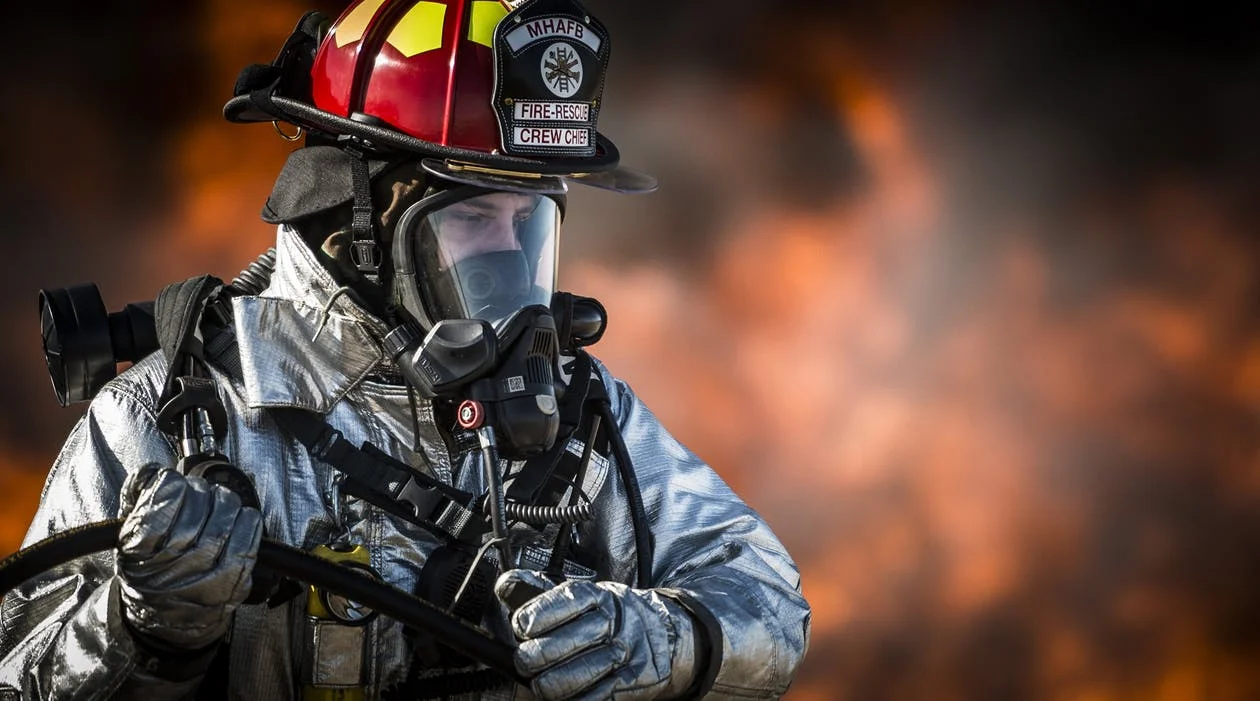
Take firefighters for example, whether working inside a structure or fighting a wildfire in open geography, firefighters require specialized personal protective equipment (PPE), tools, and technologies to ensure their safety. Many protection and health issues still exist in the fire service industry such as heat stress, cardiac arrest, and exposure to carcinogenic particulates, just to name a few. The risk of firefighter injury and illness could be greatly reduced with the introduction of wearable technology. Measuring real time physiological responses, monitoring health, and tracking location would provide vital, life-saving feedback for the fire service. Some manufacturers have already successfully produced wearable garments for firefighters to track their location, heart rate, etc., however, the technology is still cost prohibitive for most departments who are working on a tight budget. At well over $1,000 for a set of turnout gear, PPE budgets don’t have additional discretionary funds for “fun, tech toys.”
In order to make wearable tech a feasible, realistic option in the fire service industry, multiple challenges must be overcome. First, as mentioned above, cost must be addressed. Affordable, scalable sensors are a must if wearable tech is to be incorporated into structural turnout suits and wild-land firefighter gear. Second, in an industry that is known for its historical tradition and culture, the mindsets of the users must be convinced that the benefits of these disruptive technologies far outweigh the cost, and not just in terms of monetary value. As a population that puts their lives on the line each and every day, firefighters must be convinced that a significant change to their PPE is safe and worth any adaptations to their current tactics and training.

A third, and maybe the most challenging obstacle is creating sensors that can perform effectively and consistently under the extreme conditions in which firefighters often find themselves. In a flashover scenario, temperatures may reach well over 500°C. These environments would require durable sensors that can withstand extreme conditions and repeatedly perform after multiple exposures. Further, these sensors must not cause any decrease in thermal, chemical, or liquid protection; hinder the user’s movement; or cause discomfort. On top of all of the above criteria, the sensors must also be conducive to the laundering process at temperatures above 120°F. To overcome all of the above criteria would be a tall feat, even for the most developed technologies.
To truly enact change in firefighter PPE, all of the above concerns must be addressed not just from an academic or scientific standpoint, but from a practical, daily use perspective. While sensor technology has greatly advanced, there is still much work to do in order to incorporate these valuable, life-saving technologies into the applications where they are most meaningful. For firefighters, being able to track location, movement, heart rate, breathing rate, carbon monoxide exposure, and so much more, could be the difference between them going home to their families or an unfortunate tragedy. Sensor technology gives us hope for the future, but much research and work is still needed to create affordable, adoptable, and practical wearable technology for our first responders.
Meredith McQuerry, Ph.D., is an Assistant Professor of Textiles at Florida State University. She has almost a decade of experience working with the fire service industry to engineer better performing and more durable personal protective clothing. Her research interests include clothing comfort physiology for first responder, military, and athletic applications.

Sleep Matters to Reducing Veteran Suicides
Lack of sleep magnifies mental health conditions, sometimes to an extreme extent. Suicide attempts and successes have largely been associated with severe sleep disturbance.
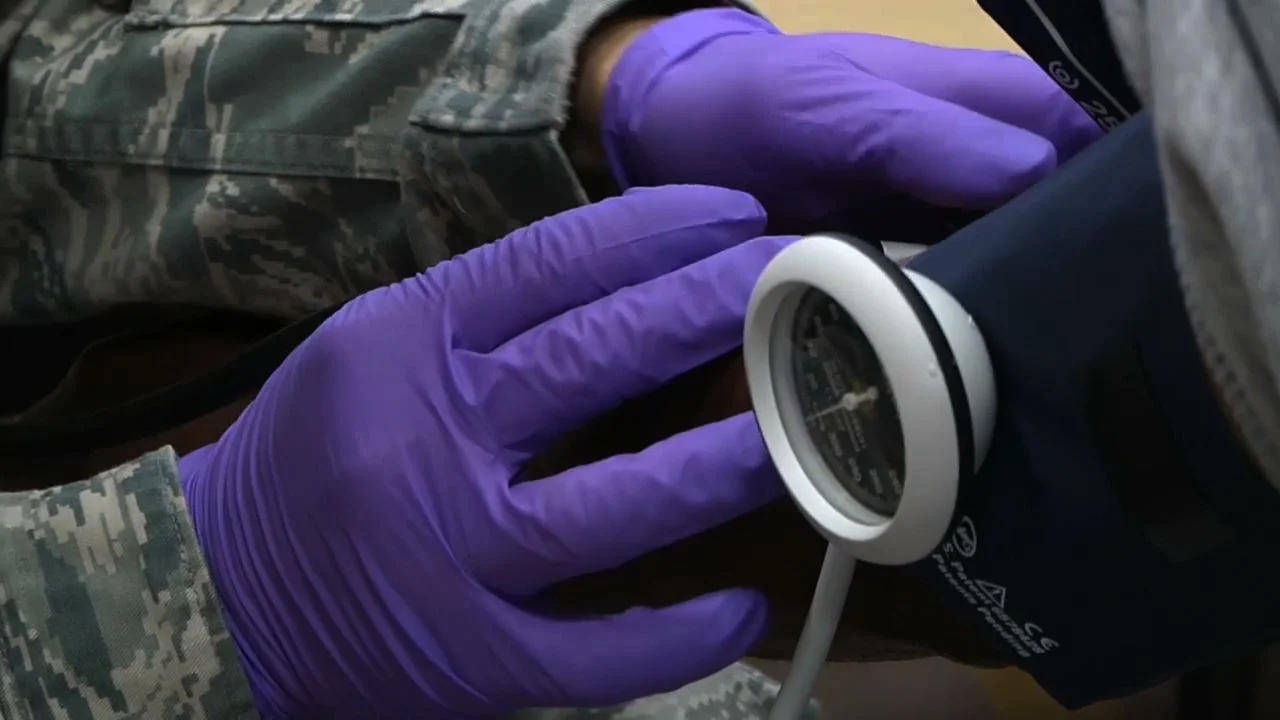
Getting a bad night’s sleep does more than just make you tired the next day. Many of us have had bouts of insomnia and know the frustration that comes with lack of sleep. The problem is that sleep disturbance has a different meaning for millions of Americans with underlying depression, anxiety or other mental health issues. Lack of sleep magnifies mental health conditions, sometimes to an extreme extent. Suicide attempts and successes have largely been associated with severe sleep disturbance.
22 Veterans commit suicide each day across the United States. These tend to be younger veterans (age 18 to 45) with more recent combat exposure who are more likely to have experienced combat-related head trauma and post traumatic stress disorder (PTSD). If we dig deeper into the underlying factors associated with these conditions we uncover sleep as a common thread.
- Up to 39% of returning combat veterans have PTSD. [Ref1]
- 58.3% of soldiers report sleep problems if they experienced head injury with loss of consciousness. [Ref2]
- 30% of soldiers returning from Iraq report complaints of sleep disturbances even 3-4 months after returning from their tour of duty. [Ref3]
- Sleep disturbances predict a shorter time to suicide among suicide decedents. [Ref4]
- Currently, sleep disturbance is the second most common reason for referrals to mental health services following post-deployment screening of Operation Iraqi Freedom veterans. [Ref5]
Sleep is multifactorial and complex. Research supports a number of both biological and psychological factors that contribute to sleep disturbance ranging from breathing disruptions like snoring and apnea (when you actually stop breathing for a short period of time), to stress and anxiety. Therefore, referral to mental health services may only address part of the problem.
Ultimately we need to understand why someone is suffering from sleep disruption in order to optimally manage it, but assessing sleep is complicated. The current gold standard test for sleep assessment is a sleep diagnostic test (polysomnography) that requires an individual to be admitted to a sleep study center and undergo a significant battery of tests designed to monitor sleep and sleep-associated factors. For many Veterans that means taking time off of work and traveling long distances to get to a sleep center, which can further add to the stress of their condition.
Currently, in the VA Health system the average wait time for a sleep study appointment is 8 months. 8 months is a long time to suffer, waiting to get answers, especially in light of the above statistics. Zansors wants to help to support Veterans with wearable devices and mobile apps that can help to track and monitor many of the factors associated with sleep. A wearable sensor device, placed on the body while you sleep, allows tracking of vital breathing habits, snoring, pulse, and can measure other biological factors that tell a story about the quality of sleep. The mobile app asks questions about daily habits, feelings of stress, and activities that might be impacting sleep. Zansors patented technology brings together the findings from the wearable sensor and the information collected from the app and identifies patterns that may emerge to help provide guidance on ways to improve sleep.
Medical interventions and behavioral therapy are both helpful to improve sleep disturbance but today these therapies are typically applied in a doctor’s office or clinic. Zansors wants to enable Veterans to bring those interventions into their own homes, using their own individualized information from the sensor and app to create a sleep improvement plan. The plan can help by providing suggestions to improve sleep, based on clinical research. The plan is designed and personalized based on the information it collects from you. The wearable sensor and app will continue to help to support monitoring and tracking once you’ve started to implement your plan so that you can see real results over time.
Innovation in wearable sensors and digital technology are changing the way health care is being provided. The ability to track and monitor vital sleep-related factors in your own home, privately and securely allows you to make decisions about your own health and empowers you to know that you’re in control of your own care. Innovation like this not only can improve sleep, but it can save lives.
Nicole Stout, DPT, CLT-LANA is Vice President of Medical Affairs at Zansors. Follow Nicole on Twitter at @NicoleStoutPT
- [Ref1] Capaldi VF, Guerrero ML, Kilgore WDS. Sleep Disruptions Among Retuning Combat Veterans from Iraq and Afghanistan. Military Medicine 2011; 176(8): 879-88.
- [Ref2] Lewis V, Creamer M, Failla S. Is poor sleep in veterans a function of post-traumatic stress disorder? Mil Med 2009; 174(9): 948-51.
- [Ref3] Hoge CS, McGurk D, Thomas JL, Cox AL, Engel CC, Castro CA. Mild traumatic brain injury in US Soldiers returning from Iraq. NEJM 2008; 358(5): 453-63.
- [Ref4] Pigeon WR, Britton PC, Ilgen MA, Chapman B, and Conner KR. Sleep Disturbance Preceding Suicide among Veterans. American Journal of Public Health. 2012; 102(S1): S93-S97.
- [Ref5] Pigeon WR, Edinger JD, Epstein DR, Germain A, Haynes P, Martin JL, Mellman TA, Neylan TC, Raskind MA, Ross RJ, Woodward SW, Zayfert C. Report of the Meeting of the Expert Panel on Sleep Disturbance and Combat Trauma. Rochester (NY); 2010.

Zansors Recap at ATA May 2014
Zansors was honored to attend our first American Telemedicine Association (ATA) annual event in Baltimore over three days (May 18 – 20) – we’re coming back next year! Not only was Zansors invited by both the ATA and law firm Jones Day to be part of their invite-only ATA Venture Summit but Zansors had a booth as part..
Reflections from American Telemedicine Association (ATA) and ATA’s Venture Summit
Zansors was honored to attend our first American Telemedicine Association (ATA) annual event in Baltimore over three days (May 18 – 20) – we’re coming back next year! Not only was Zansors invited by both the ATA and law firm Jones Day to be part of their invite-only ATA Venture Summit but Zansors had a booth as part of the ATA’s Startup Zone on the exhibitor floor. And Zansors was featured in ATA’s “Innovation Spotlight” track to share our telemedicine solution – always fun to talk about our sensors, algorithms, and mobile apps. ATA was like a “coming out” party for us. Zansors wants our technologies and innovations to help “Know Yourself.”
The ATA Venture Summit was on Sunday May 18. The event brought together select early stage companies to sit at tables with mentors who have been successful or are subject matter experts. Zansors joined two other great startups at our table – Wellpepper Inc. and CMT Corp. – who focused on software while Zansors was more about hardware sensors. Our subject matter experts came from Fusion, Jones Day, Madrona Venture Group, and Alan Pitts, M.D. Zansors was able to share its story in 10-15 minutes with the table and then get unfiltered advice with no sugar-coating. Constructive criticism on sensor costs, market launch as B2B or B2C, patents and freedom-to-operate, etc. came from the table experts. It’s rare to get someone to listen more than 3 minutes and even more rare to get free advice. There was a feeling of genuine, smart advice from the experts whether or not they liked the venture. Zansors was fortunate to listen and learn and fine-tune our sensor story. Later during the Venture Summit, Zansors was able to have one-on-one sessions with companies like high-growth company Specialists On Call, private equity investor Welsh, Carson, Anderson & Stow, and leading $2B+ company Stericycle. Zansors again made new connections to these individuals who wanted to open doors for early stage company, Zansors. All in all, ATA’s Venture Summit was invaluable and thanks to all.
Telemedicine has so many definitions. But if you walked the trade floor or attended the different sessions, you knew this was a key conference dealing with health and technology. ATA made sure that there were tracks covering a wide range of telemedicine topics like home telehealth, remote monitoring, international, mHealth, TeleICU, TeleRehabilitation, Ocular Telehealth, TeleMental Health, technology, pediatric Telehealth, Telehealth nursing, Teledermatolgy, human factors, and business & finance. Yes, the keynote speeches at ATA were amazing but even more exciting was the vibe people gave off feeling that telemedicine is closer to being implemented now than any time before. ATA attendees could sense that telemedicine has moved from simmering to near-boiling hot! The end goal is that telemedicine will improve outcomes for patients and consumers and also save costs.
Great companies were represented at the talk and on the exhibitor floor. We can’t list all of them but you found Cisco, Philips, Humana, UnitedHealthcare, Department of Defense, Intel, Alere, AMC Health, etc. There were great startup companies in the Startup Zone near the Zansors booth like CaptureProof, PT Pal, and 3Derm. We saw great technologies also by the different companies participating in the Qualcomm Tricorder XPRIZE. In other words, we were surrounded by great tech geeks.
Our mission was to talk about Zansors’ telemedicine solution throughout the ATA show but especially during the ATA “Innovation Spotlight.” Specifically, we wanted to share how our telemedicine solution is helping breast cancer survivors now facing lymphedema. In our telemedicine solution, we have both wearable sensors for sleep and we have a mobile app connecting to our cloud analytics database with the right HIPAA protection and security. This telemedicine solution helps improve quality of life since currently lymphedema patients rely on paper-pen questionnaires. We are fortunate that this telemedicine digital system is supported by the National Cancer Institute (NCI) and NCI’s SBIR Contract program.
It was exciting to have a booth because people stopped by to learn about our telemedicine solution while others just stopped by to pick up our “Bed By 10” button or our “Know Yourself” sticker. We learned that you can meet great contacts and even learn from a discussion. We also learned that we should have some candy at our booth next year.
We should also tell you that we now know why Baltimore is called “Charm City.” The location and weather were perfect since the event was at the Baltimore Convention Center near the inner harbor bay and we experienced sunshine in the high 60's. You can eat along the water and also people watch. So many choices of restaurants within walking distance of the ATA show.
By next year’s ATA's conference, in Los Angeles, Zansors will have grown by then and we want to shape the future of technology, innovation, and health. We hope we can tell you more about our technologies like sensors, MEMS, algorithms, analytics, apps, microfluidics, etc. More importantly, we want to tell you how the Zansors technologies help people and their quality of life with cancer, diabetes, sleep, heart disease, etc. And we will have candy at our expanded booth.
Bravo and thanks to ATA and all of the participants and people we met. “Know yourself.”

Catching Early Changes in a Child's Sleep Pattern
Hi, I’m Abhijit Dasgupta, Ph.D., the Chief Data Scientist at Zansors. On top of my professional hats, I’m also a dad to two small kids. As a parent I can see very quickly the effects of disturbed sleep on my kids – the crankiness, excitability and lower concentration.
Hi, I’m Abhijit Dasgupta, Ph.D., the Chief Data Scientist at Zansors. On top of my professional hats, I’m also a dad to two small kids. As a parent I can see very quickly the effects of disturbed sleep on my kids – the crankiness, excitability and lower concentration. Occasional disturbed sleep patterns happen, whether because of a late night, a late sugar binge, a movie or TV show that affected them more than we thought, a fight with friends. As a data scientist I know that occasional events do not make a pattern, but if a pattern of bad sleep starts I want to catch it early. That’s why I was so excited when we started developing Sleep ChampTM.Why am I, as a parent, so concerned about my kids' sleep? Of course, I see the immediate short term behavioral effects, which are certainly irritating and disruptive. Modern sleep research has thrown up more serious long term effects of a poor sleep pattern, specially in kids and adolescents. Lack of sleep or poor sleep patterns have been associated with poor cognitive development, lower IQ, increased risk of obesity later in life, development of ADHD, higher risk of Type II diabetes, lower memory capacity, depression and anxiety. Poor sleep can directly lead to poorer grades, which sets kids up to be not as successful as their potential. As a parent my job is to prepare my kids to become successful adults, and give them the best possible chance to succeed. Given the potential downsides, having my kids develop good sleep habits, and intervening if I see patterns of poor sleep, seems to me a no-brainer.
The Sleep ChampTM app we developed at Zansors is an easy way to quantifiably monitor my kids' sleep. It’s based on state-of-the art sleep research at the University of Michigan Sleep Disorders Center by a renowned specialist, Dr. Ronald Chervin, in childhood sleep. It looks for problems that the most recent American Academy of Pediatrics guidelines suggest are symptomatic of poor sleep patterns and sleep apnea. Regularly using the Sleep ChampTM app and monitoring my kids' sleep score allows me to detect changes in my kids' sleep and start a conversation with our pediatrician earlier rather than later. To me, an occasional blip in the radar is just that, but a change in pattern means a time for change.
At Zansors, we are very excited about our products and their quality, and our ability to translate validated cutting edge research to useful consumer applications. As a parent, having something like the Sleep ChampTM on my smartphone or tablet allows me to take care of my kids better, and gives me a better chance of raising happier, healthier kids. I hope you can have the same positive experience that I’ve had with the Sleep ChampTM and other products we are testing right now and will release in the near future.
Good luck, and sweet dreams.
Abhijit Dasgupta, Ph.D. Zansors Chief Data Scientist
Email: abhijit@zansors.com Twitter: webbedfeet
More information on the Sleep ChampTM app:Website Download for Apple Download for Android Twitter Facebook

Video: Overview of a Good Night’s Sleep for Children by Kathy Wilson, M.D.
Zansors, Doctor Patient Medical Association and Sleep ChampTM are very fortunate to have Kathy Wilson, M.D. as a guest for our first Fireside Forum online discussion that will take place Saturday, September 22nd 2012 at 2pm.
Zansors, Doctor Patient Medical Association and Sleep ChampTM are very fortunate to have Kathy Wilson, M.D. as a guest for our first Fireside Forum online discussion that will take place Saturday, September 22nd 2012 at 2pm. Dr. Wilson is a Research Fellow and Clinical Lecturer in the Department of Neurology, the Department of Pediatrics and the Sleep Disorder Center at the University of Michigan. Dr. Wilson’s research focuses on challenges to healthy sleep among preschool and elementary school children in low-income neighborhoods. We interviewed Dr. Wilson earlier this week so we know how passionate she is about sleep medicine.
Our goal is to give parents the opportunity to ask questions live and online with Dr. Wilson during Saturday’s forum. To get parents thinking about sleep for children and what questions to ask, we created this video. It’s very informative and helpful to give your child the best night’s sleep possible. Video highlights:
1) Benefits of sleep 2) Recommended hours of sleep for children 3) Signs children may not be getting a good night sleep 4) Other health risks of not getting enough sleep 5) Tips to get a better night sleep
Enjoy the video and we look forward to seeing you on Saturday. For more information about the Fireside Forum, visit our information page at http://www.zansors.com/fireside-forum-information and sign up at http://fireside-forum.zansors.com
We’d also like to thank our video producer Jesse Meria for his videography talents. Jesse produces videos for the University of Michigan and Cunning Expressions Photography and Videography. He is one of our esteemed parents and has shared his adventures in parenting with Sleep Champ.
Ranjit Das, M.D. Zansors Chief Medical Innovation Officer
Email: ranjit@zansors.com Twitter: @MADEinDNA
(Sleep Champ is a product of Zansors, based on University of Michigan technology. It is not a product of the University of Michigan Health System.)

Learn About Sleep Expert Dr. Kathy Wilson
Zansors recently interviewed a special guest, Kathy Wilson, M.D., who is a pediatrician with the University of Michigan Sleep Disorders Center. Zansors sent Dr. Wilson a few questions to answer and we hope you get to know Kathy a little more outside of her professional duties.
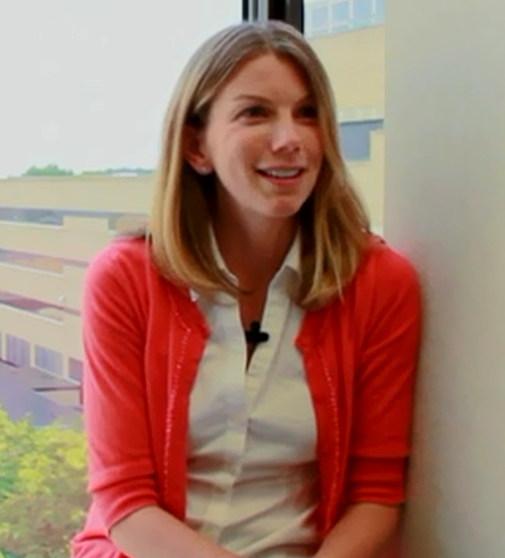
Dr. Kathy Wilson
Zansors recently interviewed a special guest, Kathy Wilson, M.D., who is a pediatrician with the University of Michigan Sleep Disorders Center. Zansors sent Dr. Wilson a few questions to answer and we hope you get to know Kathy a little more outside of her professional duties.
The Q&A with Kathy is a warm-up before an online event we are hosting this Saturday, September 22nd at 2 p.m. On Wednesday September 19th, Zansors will announce how Dr. Wilson will help parents with their child's sleep quality.
Question: What got you interested in studying sleep, and why kids and sleep in particular?Dr. Wilson: I initially became interested in sleep medicine during my pediatrics residency. I had the opportunity to work with several families struggling with their children’s sleep and I saw firsthand how much of an impact it can have on not only the child but the entire family.
Question: Is there anyone in your family with sleep problems?Dr. Wilson: Nobody in my family has sleep problems.
Question: How's your sleep? Have you ever gone through a phase where you didn't sleep well? What did you do about it?Dr. Wilson: I am fortunate to be a good sleeper and I really make an effort to practice good sleep habits and go to bed at the same time each night. Sometimes when I have a lot on my mind, I may have a harder time falling asleep. On those nights, I will get up out of bed and read quietly until I am sleepy and then go back to bed.
Question: What's the most fascinating thing you know about sleep?Dr. Wilson: I am most fascinated by the body’s internal clock (circadian rhythm), and how it uses cues from the environment to signal that it is time to go to sleep and time to wake up.
Question: If you could give parents one word of advice about sleep and their kids, what would it be?Dr. Wilson: Routine :-)
Join Dr. Wilson on Saturday, September 22nd at 2 p.m., for a live online Q&A. Dr. Wilson will give participants an overview of a good night’s sleep and field questions from participating parents.
Jill MacNeice Chief Experience Officer
Email: jill@zansors.com Twitter: @jmacneice
(Sleep Champ is a product of Zansors, based on University of Michigan technology. It is not a product of the University of Michigan Health System.)

Top Ten Reasons to Download the Sleep Champ App
We at Zansors have been busy with Sleep ChampTM. It’s been a very exciting launch! We’ve learned a lot about ourselves and the world of sleep medicine. My name is Dr. Ranjit Das and I am the Chief Medical Innovation Officer at Zansors. My role is to bring new ideas through medicine to our technology and products.
Top Ten Reasons to Download Sleep ChampTM App
By Ranjit Das, M.D.
Zansors Chief Medical Innovation Officer
We at Zansors have been busy with Sleep ChampTM. It’s been a very exciting launch! We’ve learned a lot about ourselves and the world of sleep medicine. My name is Dr. Ranjit Das and I am the Chief Medical Innovation Officer at Zansors. My role is to bring new ideas through medicine to our technology and products. It’s been my passion to help individuals with their health and wellness using technology in new and exciting ways.
By bringing relevant news to our Facebook and Twitter pages, we realize there can be “information overload”. Here is our top ten list to recap our launch month and why we think you should check out the Sleep ChampTM app to empower your little sleeper.
To read more and see multimedia, click the topics below. Without further delay...the top ten list:
1. The American Academy of Pediatrics changed their clinical guidelines.
The American Academy of Pediatrics recently established that if a child snores regularly, they should be evaluated for sleep apnea. We didn’t put snoring as the first few questions for no reason. Answer simple questions to find out if your child’s doctor should evaluate for sleep apnea.
2. It's back to school time.
our child probably started school this week and is adjusting to a new sleep schedule. The number of hours a child sleeps is important, but we think quality is just as important. The Sleep ChampTM app addresses sleep quality for you.
3. Help you take action.
You’ve read the information we share on the Sleep ChampTM Facebook and Twitter pages, now take an active role beyond reading articles. By using an app, you are empowering yourself and your child’s health and wellness.
4. Sleep ChampTM app is powered by University of Michigan technology and research.
For you, this means Sleep ChampTM has been investigated by clinical research conducted by Dr. Ronald Chervin who is the director of the University of Michigan Sleep Disorders Center. Dr. Chervin is our Sleep ChampTM ambassador. Watch him talk about his role and passion for sleep medicine.
5. Build awareness so you can talk to the pediatrician.
Did you know mouth breathing and behavior are tied to sleep related breathing disorders? The Sleep ChampTM app is a tool to increase awareness based on topics that doctors find important regarding sleep medicine.
6. We launched our tutorial video this week.
Learn how to use the Sleep ChampTM app with our video. Even our video producer, who is a parent, had some things to say about how he gets his kids to bed and his "three alarms". Here is a link to his blog post: September 4th, 2012 My Experience Producing the Sleep Champ Tutorial Video
7. When your child sleeps well, you sleep well.
Parents always take care of their child’s health, but are you making sure you are sleeping well too? Parents can learn too while teaching good habits to their children when using the Sleep ChampTM app.
8. Dancing babies and sleeping babies.
When your child sleeps well, they know how to have a good time! These babies agree: Dancing Babies & Restful Waking Baby
9. Sleep ChampTM app will give you simple and easy to understand results.
The app tells you how to use this score and what low risk sleep quality means based on the questions in the questionnaire. We even help you email the score report to loved ones. For each question in the questionnaire, we provide helpful resources to understand what each health topic means for your child. This can help you talk to your child about sleep topics and symptoms.
10. Caring parents want the best for their child.
You’ve taken the first step by visiting our site. Learn more and contact us if you have any questions about the Sleep ChampTM app. We are here for you. After you’ve read this list you’ll find our links, say hello via Twitter or Facebook!
Thank you and sleep well!
Ranjit Das, M.D. Chief Medical Innovation Officer
ranjit@zansors.com Twitter: @MADEinDNA
More information on the Sleep ChampTM app: Website Download for Apple Download for Android Twitter Facebook

Sleep Champ Tutorial Video - My Experience Producing the Tutorial Video
It’s my pleasure to introduce the newest video for Zansors’ Sleep ChampTM app: a video tutorial for how to use the Sleep ChampTM app to check your child’s sleep quality.
Sleep ChampTM Tutorial Video - My Experience Producing the Tutorial Video
By Jesse Meria
Video Producer
It’s my pleasure to introduce the newest video for Zansors’ Sleep ChampTM app: a video tutorial for how to use the Sleep ChampTM app to check your child’s sleep quality.
My name is Jesse Meria and I’m a Video Producer with the University of Michigan and Cunning Expressions Photography and Videography. I was introduced to Zansors and wanted to produce videos for Sleep ChampTM right away. It was a pleasure producing their inaugural video: an interview with Dr. Ronald Chervin who is the director of the University of Michigan Sleep Disorders Center. The initial phone call from Zansors to propose the project was exciting. Zansors is enthusiastic and really thrives to pull out your creative thinking. Although I am working for them from another state, they made me feel like a part of the team with conference calls and a photo of their immediate team.
Sleep ChampTM also inspired me because I am a parent myself. I have two children, a 10 year old and a 6 year old son. I try to volunteer in my child’s school as often as I can and it is very easy to notice the children who did not get enough sleep the night before. I’m good at observing and I also see myself as someone who like to learn my lesson and then make the change to better the life of my family. Being such a busy family, I have had to set 3 alarms to get my kids ready for bed each night, one for “bath, brush teeth and PJ’s” , one for “reading time” and last, “lights out”. This helps keep our routine and if we don’t follow it, we do regret it the next day, the kids are cranky, they can’t focus on school work, feeling groggy and or just sleeping in until noon and missing out on the day.
I wanted to make this video unique from my previous work. I knew Zansors would allow a fun and creative approach so I decided to use my favorite spokesperson as the narrator, my son! I wish I could show you the joy he had when he heard he would be the voice behind Sleep ChampTM. It was a natural fit because he is my little champ. I’m always asking my two sons for ideas when I have new projects. They can usually come up with some very creative things that I would not have otherwise thought of on my own. Most importantly it’s just a great feeling to be able to see their excitement when they are a part of something fun like this. In the end, it is all fun. My 10 year old was jealous that his brother was able to work with me, but I told him we will make up for it. I knew exactly what I wanted to do with this project and with the outline that Zansors sent me, everything just fell into place. I’m looking forward to doing more creative videos with Zansors in the future.
So thank you for watching the video. It represents my work which I enjoy so much and something I value as a father, the promotion of good sleep quality I want for my own children.

Sleep Champ: Bringing Back Bedtime - Post from “Crazy House Reviews – From a Mom Who Knows”
As a mom, I know firsthand how difficult it can be on the family when your kid has a bad night. I also know how helpless you can feel when you sense your kid is having a hard time during the day, but you don’t know why.
Sleep ChampTM: Bringing Back Bedtime
By Jill MacNeice
Zansors Chief Experience Officer
As a mom, I know firsthand how difficult it can be on the family when your kid has a bad night. I also know how helpless you can feel when you sense your kid is having a hard time during the day, but you don’t know why.
Sleep quality directly affects how a child feels and behaves during the day. Sleep plays key roles in children’s development -- mood, behavior, school performance and social interactions, as well as growth, lung and heart function, and immune system. If your son or daughter is having sleep problems, it could affect them now—and for years to come. Also, serious ailments such as sleep apnea could be hiding behind poor sleep quality.
That’s why, I feel it’s important to check your child’s sleep quality in more than a casual way. I’ve been involved with the development of Sleep ChampTM ,a new mobile app. I’m really proud of the outcome and benefits it will have for parents. The app lets you set up profiles for all of your children. You fill out a short questionnaire about sleep habits, snoring, daytime sleepiness, and even things that you might not associate with sleep quality, like bed wetting and hyperactivity. You get a score that will help you determine how urgent it is to bring up sleep issues with your child’s pediatrician.
I made sure Sleep ChampTM is easy to use. But don’t be fooled by the simplicity. It is based on years of validated scientific research. The questions and sleep quality score are adapted from the Sleep Related Breathing Disorders (SRBD) scale, designed by Dr. Ronald Chervin [watch video]. Dr. Chervin is a nationally known sleep expert and director of the Sleep Disorders Center at the University of Michigan. This little app is like getting the best of evidence-based sleep medicine—at home.
Sleep Champ Screenshot
One of the most useful features: you store all the profiles and scores right on your phone or tablet. You can make notes in the moment, bring it to the doctor, discuss it step-by-step. The app also provides information and top resources on sleep problems and symptoms. Skip the internet searches and go straight to the right information, and ask your doctor the right questions.
Sleep Champ is available in the Apple App Store and the Google Play Store for $3.99. It doesn’t take the place of a doctor for diagnosis and treatment, but it will help you hone in on your child’s symptoms so your doctor visit is focused on nailing the diagnosis and finding the solution.
An informed parent is a child’s best advocate, not just with the doctor, but also with teachers, guidance counselors, and life in general. Sleep ChampTMempowers you to be this advocate, with the simple idea that tuning in more closely to your kids’ sleep habits and behavior can be just as powerful as a medical examination.
If you suspect your child is having sleep-related problems – or problems that you’re not sure what to attribute to – try it out. We all know that the only thing more comforting than a peaceful night’s sleep is peace of mind – particularly when it comes to our children’s health.
Jill MacNeice Chief Experience Officer
Email: jill@zansors.comTwitter: @jmacneice
More information on the Sleep ChampTM app:Website Download for Apple Download for Android Twitter Facebook