

Want to innovate in health tech? Start with the patient
I recently gave a presentation at HITLAB’s annual Innovators’ Summit, “Digital health in the age of patient-centered care.”
I recently gave a presentation at HITLAB’s annual Innovators’ Summit, “Digital health in the age of patient-centered care.”
Those of us in health services research right now, whether we are in tech or not, are used to seeing, reading, and hearing about digital health constantly. We are, in fact, in an age in healthcare defined in large part by advances in digital technologies and the promise they hold for dramatically improving safety and quality.

But alongside digital is another movement that is front and center at this moment- that of patient- and family- centered care. Patient- and family- centered care is defined as: “care that is respectful of and responsive to individual patient preferences, needs, and values” (IOM, 2001, Crossing the Quality Chasm). Decades of work by patient and family advocates and those who support them have delivered an era in healthcare of unprecedented focus on the needs and priorities of patients and families, and a subsequent shift in healthcare toward incorporating patient- and family- centered principles into services planning and evaluation activities.
Patient- and family- centered care principles vary slightly depending on your source, however, the key components of the philosophy are guided by -
- Respect and dignity
- Information sharing
- Participation and;
- Collaboration
Healthcare professionals are hard at work, incorporating these principles into the design, delivery and evaluation of services. I gave this talk at the Innovators’ Summit because I see these two parallel epochs—digital and patient-centered care- as necessarily intertwined.
In order to see the promise of digital reach its full potential in health services, it must be understood and built out through the current lens of patient- and family- centered care. The warm fuzzy quality historically associated with all things regarding patient- and family- centered care seems incompatible with the impersonal nature often attributed to the technological. But these two trends are, I would argue, not only complimentary but necessary to one another for each to make good on its promise to improve quality in healthcare.
Our summit included digital health startups, excited about their technologies and eager to make a difference. To achieve their goals, these innovators need clear insight into patients’ needs and priorities. When they include the patient in the process of innovation and creating new products, they will be more successful. Cutting edge in this day and age is not only about harnessing the latest technologies; it is harnessing those technologies in ways that enable healthcare and services that are truly patient- and family- centered.
Digital health technology is so exciting precisely for its capacity to enable patients and their families to participate in the ways outlined by the core principles of patient- and family- centered care. Digital can enable empowerment-- for providers and other stakeholders as well as patients. But, as we in health services research are finding out, the best innovators are those that have, at their core, a deep understanding of what matters most to patients.
And so my talk at the Summit ended with a call to action for all in digital health but particularly in this case start ups to be not only innovative with regard to technology but to be truly cutting edge with regard to the adoption of patient- and family- centered principles and perspectives into their work. This means not just a post product development focus group or two, but involving patients and families from the very beginning of technology and product development. It means including patients and their families on teams, at all levels of an organization. This kind of inclusion is happening more and more as the value created by including patients becomes clearer.
Zansors has experience involving patients and families into their product development processes. This is critical. We have to harness patient and family perspectives into our innovation processes to make better, more valuable products. We need to hear and read about successful models of patient- and family- participation in the digital health space so that others can learn from and improve upon current methods for operationalizing patient- and family- centered care principles into digital health innovation.
Sara Kuppin Chokshi is a public health research professional with experience in health services research and digital health. She is a current research associate at HITLAB. Sara is a senior family advisor at the Sala Institute for Patient and Family Centered Care, where she currently serves on a variety of quality and safety committees at NYU Langone, representing the key perspective of patients and families. Sara completed her postdoctoral research fellowships at both Hunter College and Columbia University. She finished her doctoral studies in Sociomedical Sciences at Columbia’s Mailman School, and holds an MSPH in social and behavioral sciences applied to health from the University of South Florida’s College of Public Health as well as a bachelor’s degree in sociology from New College of Florida. Find her on Twitter @skuppinchokshi

Why Health Innovators Have Failed Customers & What We Can Do About It
Wellness devices don’t help people lose weight unless the underlying mentality for change is already present. But most mass producers of these devices are not in the business of selling this point. They are in the business of selling products.

IMAGE BY KEVIN DOOLEY
Tyrone Ceaser is a professor of exercise science at Winthrop University in South Carolina. He also research, blogs, and consults on topics related to wearable tech, wellness, fitness, and stress management. You can find him on Twitter @drtyroneceaser.
Wellness devices don’t help people lose weight unless the underlying mentality for change is already present. But most mass producers of these devices are not in the business of selling this point. They are in the business of selling products.
By the same token, research studies and fitness programs don’t help people adopt change unless a major paradigm shift occurs in the mind. But many wellness coaches, personal trainers, academic researchers, and the like are not in the business of mediating change in minds and hearts. They are in the business of successful, quick-fix, low-risk, high-selling services and products instead of long-term, strategic, high-investment strategies that alleviate consumers of their physical, heavy-laden, lifestyle-related burdens.
Guess who’s stuck in the middle of the seller and servicer? You. The consumer. You’re stuck in the middle trying to figure out who can get you back to your high school body in the fastest, most efficient way possible.
But wait! You have yet another burden.
In addition to your potential investment in a wristwatch or wellness program, you want to get back to an "image" of the past (yeah, the one the made you feel most secure about your body).
The problem in the wellness industry isn’t the length of the longitudinal study or the lack of a p-value indicating statistical significance. It’s not type, accuracy, or cost of the device. It’s not the failure of scientists in charge of billions of research dollars devoted to solving the obesity epidemic.
It’s the congruency of the minds involved (yours being chief among them), and inevitably, the intentions of the buyers and servicers.
If I told a client, "I can help you lose 30 pounds in 30 days" or "I can help you gain 20 pounds of muscle mass in 20 days," it’s true. I could probably do it. But it wouldn’t be the complete truth.
If a tech company advertises a new wrist watch with such elegance, beautiful marketing, and promising potential to help you lose weight, they wouldn’t be lying either. In the end, you wonder, who should I run to? What should I invest in? Too often this question is asked by millions of consumers like you, who eventually run to the wellness device, the personal trainer, and sometimes even the research study (5 years and 20+ pounds of gained weight later).
Though it is true that the device can solve the problem of tracking health parameters such as heart rate and blood pressure, the last time I checked, it sure doesn’t have the agency to lower either of those metrics. By the same token, the trainer nor the researcher has the agency to cause long-term, life-lasting change by creating a proven evidence-based strategy to lose weight and keep it off. If that were the case, NIH would have ceased that branch of research a long time ago and moved on to something else.
What I neglected to mention so far is this: you’ll probably gain it all back within two months or lose the muscle mass in the same amount of time.
There is something to be said about the plethora of fitness trainers, weight loss specialists, and health coaches out on the market. There are so many! Heck, can you blame anyone for wanting to be on the profit side of a $500 billion dollar market?
Now, consumer, I turn to the people you seek out to support you.
To the professors, scientists, trainers, marketers, and wellness professionals, myself included: We have not successfully reversed the trend of lifestyle diseases.
The amount of research dollars spent for "treating" obesity, diabetes, strokes, and other lifestyle diseases is insane, especially since our kids, moms, dads, and others still can't make weight.
What's wrong with these wellness programs out on the market? It's simple: we're not teaching men to fish in order to feed themselves for life.
Our wellness profession is cluttered with the wrong goals and intentions. In turn, the message becomes misconstrued with ill-placed facts, 5 minute, "Google-search" generated research, and the desire for career advancement. Marketers find the best SEO strategies to "lure ‘em in," and figure out what they're looking for, while completely ignoring the fact that individually, no two people suffer from obesity in the same manner. Therefore, customized, tailored programs should replace multi-site, data-driven, population-based obesity research.
Sure, that type of research is good for some situations, but obviously it's not working now––and hasn't been for a while. I see many researchers achieve most funding success by figuring out the most popular types of studies being funded. Then they put in their bids for R01s and R03s, with the hopes of landing one major grant to stamp their academic tenure guarantee, thereby securing two birds with one stone.
In conclusion, am I saying that professionals don’t care about the people in the other boat? No. What I am saying, is that we need to understand the consumer’s needs and put them first.
Consumer, are you aware of your needs? Why do you need to lose weight? Who does it benefit other than you? Why is your blood pressure skyrocketing? Who else watches you eat and potentially models themselves after your habits? No, you don’t look like Hugh Jackman in X-men, but do you have an amazing ability to focus and serve others for long periods of time, without fatigue, because you ate kale chips and apples, instead of the 6-piece from Chick-fil-A? (There's nothing wrong with that on occasion, by the way.)
These are the questions you should be asking yourself.
The message for professionals is plain and simple: do a better job of teaching men to fish. And for you as a consumer, you should watch and learn, fishing from your own boat, with your own reel. It’s the only way real change is possible.

3 Mistakes to Avoid in Wearable Design for Older Adults
Stakes are high when we consider wearables for older adults.

Image by Robert Scoble
Brittany Weinberg is project manager and influence specialist for the MedStar Center for Health Influence and Engagement at the MedStar Institute for Innovation (MI2), and today she shares a guest post with Zansors on wearables for an older population. There are common pitfalls innovators need to understand––and avoid––in order to successfully support older adults who often have one or more chronic conditions.
Stakes are high when we consider wearables for older adults. On one hand, the healthcare support a wearable can provide this population is an immense opportunity to affect quality of life and overall health. On the other hand, it’s a demographic that requires special considerations, and often involves large government stakeholders like Medicare.
This presents obstacles to innovators that have not been fully explored. Best practices are yet to be defined in this new space, so it’s clear common mistakes are not generally due to a lack of trying or caring. It is difficult as an innovator to balance the daily tasks of designing a product and running a company while also seeing the broader, macro landscape of wearable technology, particularly as it relates to an older generation. In the meantime, here are three mistakes that are common yet avoidable if you know what to look for.
Mistake #1: Not Understanding Regulations
Rules and regulations are responding to the evolving nature of technology and ever-changing landscape of healthcare. Innovators should understand current regulations, particularly around Medicare and Medicaid, and plan for regulation changes, so that they can anticipate emerging trends and hack existing trends.
- Understanding the regulations helps innovators designing wearables:
- Appreciate current trends and anticipate changes
- Recognize where regulations are spurring (and funding) innovations
- Identify opportunities for regulatory hacking
Recently, 1776 spent an entire day discussing hacking regulations. Where are the gaps? Where can innovators utilize their experience, creativity, and technology to create solutions to for the problems of today (and yesterday)? And why should innovators hack regulations?
Want to learn more about regulatory hacking? Listen to this great podcast on regulatory hacking.
So, what does this mean for your wearable?
You’ll need to stay up-to-date on rules and regulations that directly or indirectly impact your wearable, and maintain enough flexibility in your product design to respond to regulation changes and opportunities as well as regulation hack opportunities.
Mistake #2: Undervaluing Empathy in Your Design Process
You may think you know, but do you really know?
Many older adults suffer or will suffer from one or more chronic conditions, which likely impacts your wearable design. It is imperative to then incorporate empathy into your design process, as Forbes explains in their article, “Design Thinking: A Unified Framework For Innovation.”
Ask your users questions that will reveal insights on how they may use your wearable and the benefits your wearable would bring to them. For example: Will you describe the problems you encounter when ABC? What workarounds are you using to accomplish your XYZ goals? If you could remove an obstacle from XYZ, what would it be? What do you wish you could change right now? And what is your desired state (i.e. what is best-case scenario)?
Experience the product with your users. Ask them to help you see their obstacles for yourself and to show you how they currently solve problems. Walk their walk, live their story, learn their perspective as if it is your own. Only then can you begin to design a wearable that meets their needs and in a sustainable manner. As many of us are deeply aware, abandonment rate of wearables is still a concern, and that is true for older users as well.
Keep in mind that there is a difference between the purchaser of the wearable and the users of the wearable. Even within “users” of the wearable, there are different categories: Those who wear it to generate data (i.e. the older adult), those who review/collect the data, those who respond accordingly to the data, and more.
What does this mean for your wearable?
You’ll want to start user testing as early as possible. As developers of Path Feel and Path Finder found, user testing may confirm your understanding of how the user would interact with the product and it may reveal some tweaks that need to be made. Also, recognize the different stakeholders that will touch your wearable: the purchaser, the wearer/user, the reviewer/collector of the data, those responding to the data, etc.
Read more on this topic in AARP’s report on 50+ consumers of activity and sleep trackers.
Mistake #3: Not Using Wearables to Bring Together Multiple Stakeholders
Wearables have the unique attributes of collecting important information in real time, sharing it with appropriate parties, and impacting behaviors in order to improve lives. This is especially important for innovating for vulnerable older adults, because of quality of life repercussions. These attributes can be the “bring-together-er” of many stakeholders, including regulators, healthcare providers, family caregivers, architects, wellness coaches, and members of the community.
The aforementioned attributes are ripe for bringing stakeholders together to tackle some of the aging field’s biggest issue:
- Improve outcomes*
- Reduce costs*
- Assist older adults as they age in place
- Enhance quality of life
- Improve patient experience*
* Goals of Medicare “Triple Aim”
What does this mean for your wearable?
As you design your wearable, consider expanding the scope of stakeholders that you originally had in mind. Incorporate them into your design, so that your wearable is not simply a quick fix for a sticky problem, but rather a scalable, sound solution that has multiple players involved and has the potential to improve the lives of older adults everywhere.
So what does this all mean? The way we identify these common pitfalls is by learning from what’s already on the market, listening to consumers and witnessing first-hand what doesn’t work. It’s our collective experience that shows us the way, which means collaboration among innovators is critical to realizing the potential that wearables presents to the healthcare market.
And, that is the reason it is imperative to surround yourself with a talented, passionate team. As we like to say the MedStar Institute for Innovation:
If you want to go fast, go alone. If you want to go far, go together. – African Proverb

Designing for Health: First Impressions Can Make Or Break Your Product
A first impression can define the customer’s overall long-term satisfaction with a device, their willingness to buy similar devices in the future, and their likelihood of recommending the device to others
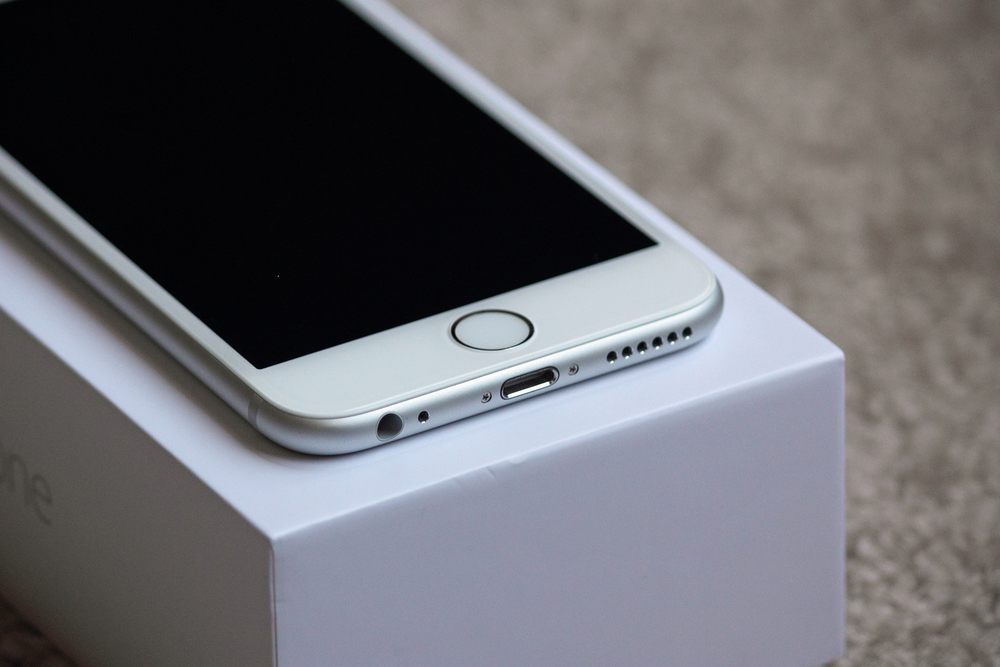
IMAGE BY YANKI01
We're excited to have a guest post by Shannon Clark, founder and CEO of UserWise, a consultancy that helps medical device manufacturers and startups design safe and easy-to-use medical devices. The consultants at UserWise conduct usability testing for a variety of medical devices ranging from surgical robots to home-use injection platforms. UserWise consultants also perform safety assessments to comply with US and international regulations related to Human Factors. This is why we're excited for the privilege of having Shannon guest blog for Zansors!
An “out-of-the-box experience” is the experience a consumer first has when preparing to use a product. The term describes the user's experience from the moment they first remove the product from its packaging through completion of its setup. This experience is important, as it not only impacts the user’s first impression of the product, but it can also have critical safety implications.
First Impressions Define the User Experience
First impressions matter. A first impression can define the customer’s overall long-term satisfaction with a device, their willingness to buy similar devices in the future, and their likelihood of recommending the device to others.
In a usability study comparing the Jawbone Up and the Fitbit Flex, two wearable fitness trackers, participants found the initial unwrapping and setup of the Fitbit Flex to be significantly more intuitive. While both devices needed improvements in their smartphone apps, the users’ “ultimate trust in the data, willingness to continue using the wearable, and general satisfaction with each wearable was heavily influenced by their initial experiences.”
Users are Impatient
Imagine the excitement of receiving a brand new iPhone––you just can’t wait to start using it! Instead of waiting until you get home, you eagerly pull off the tightly sealed lid seconds after you walk away from the cash register. Then, before you know it, your phone drops to the floor.
This scenario isn’t as uncommon as you may think (remember Jack?). In fact, I had the same experience with the iPhone 6. The lid of the box clung to the bottom, and the package’s center of gravity was top-heavy. My iPhone was perched precariously on an insert at the very top surface of the carton, just ready to jump out of the box and onto the floor when I opened it.
These flaws could be addressed through good tolerancing in the carton design specifications, mechanical testing with an adequate sample size of commercial cartons, reliable manufacturing processes, and usability testing with intended users.
With a wearable medical device, not only could this scenario lead to a device malfunction, but it could also present a potential safety concern. For example, a home-use diagnostic device might break, and then present a patient with incorrect diagnostic results. In the case of a wearable glucose monitor, the patient could administer the wrong amount of insulin, which could lead to extremely severe consequences.
Users Skip Reading Instructions
Once a consumer receives a product, they want to use it as quickly as possible. If the instructions are too long and contain unnecessary information, users will skip reading them. Typically, makers of wearable devices make their devices as intuitive as possible so reading the instructions is not required. However, there are certain wearable medical devices in which reading the instructions is a crucial task to safe and effective use of the device.
Ultrasound devices can be used to treat certain pains related to musculoskeletal conditions. Recently, a long duration, low intensity therapeutic ultrasound device was developed for patients to use as a wearable device. In this case, the device is not quite as intuitive as a fitness tracker and requires the user to read the instructions before “wearing” the device.
Here are some ways to create an out-of-the-box experience that will encourage the consumer to read the instructions:
- Place the instructions on top of the device
- Use paper with a texture that has a more substantial feel
- Incorporate visual, attention-grabbing designs
- Avoid large blocks of text
- Keep the instructions separate from other, less-critical information for safety.
Conclusion
The next time you purchase a wearable device, think about the first impression you’re getting as you remove it from the box. Do you trust the device to offer accurate results? Does the device make you feel comfortable, or even excited to use it? In the case that the medical device treats or monitors a medical condition, does the device packaging invite you to read the instructions?
If the out of box experience fails in one of the ways described, the manufacturer may want to spend more time on the out-of-box experience design, and run a usability study with actual customers in order to find ways to improve it!

HxRefactored 2016: Zansors’ Event Recap
Noah Rosenheck, UX Designer at Zansors, attended the HxRefactored conference in Boston last week. Here's his take on the event.

Noah Rosenheck, UX Designer at Zansors, attended the HxRefactored conference this year. The conference convened April 5 and 6 in Boston to cover topics across design and technology in health. In today’s post, Noah shares his take on the event.
Session Highlights
HxR 2016 was great. I was able to go to several great sessions that expanded the way I thought about things, or introduced me to entirely new concepts. I can already envision new ways to apply these concepts at Zansors, where I design user experiences in apps that allow consumers to take charge of their health and know their own health status.
Three notable sessions included:
1. The session on designing to change health behavior with Dustin DiTommaso and Dr. Geoff Williams was a session I particularly enjoyed. It introduced some powerful ideas about how to not only think about changing behaviors, but also to frame and structure change over time.
A fellow attendee @comicnurse illustrated the speaker’s points on motivational dynamics. Here you’ll see autonomy is a value to consider in driving behavior change:
2. The session on New Models for Care Delivery covered the issues that primary care providers (PCPs) face––and shared how companies are trying to change how people find and interact with their PCP. Daniel Stein, CMO at Walmart Care Clinics, explained the strategy and thinking behind their Care Clinic PCP initiative––always interesting to hear how some of the world’s largest companies are engaging in health and tech.
3. I didn’t expect to learn about dance at HxR. On one hand, it may not be super relevant to the scope of the conference itself. But, breaking the ice and giving people who are otherwise strangers something to engage over fosters conversation and connections between attendees.
That's how new ideas get shared and opportunities get created.
Ultimately, this conference was about giving us an opportunity to connect. And beyond that, isn’t there something hypocritical about sitting all day in rooms where people tell you in great detail how bad it is to be sitting all day, and what they are working on to help people change their behavior so they aren’t sitting all day?

What’s next in health and technology?
At HxR2016, behavior change was a strong theme. I think this is because it’s also where there’s great opportunity: there are so many chronic conditions that people live with day in and day out, only because they think they have to. The truth is, many of these conditions are manageable, and technology can help make managing them easier.
It's important that technology meet people where they are.
We have to reduce the time, money and cognitive energy it takes to connect people with the healthcare they need. For me, this has made me think about just how Zansors will be part of that change. We’re prepared to meet people in their own homes and at their own convenience. We reduce the resistance in a patient’s life, so they can engage with their health and know themselves.
We can help people make real and positive changes in their behavior in very specific ways––whether that’s stopping smoking and learning how to overcome or improve insomnia. This becomes a powerful tool when you go beyond a brief, occasional doctor’s visit, and the patient has their health in their own hands.
All in all, HxRefactored was engaging and encouraging. This is where people who are revolutionizing health and healthcare are convening to create better and better technology and design. I know Zansors looks forward to being part of that momentum.

What To Do With The Sleep Champ Score Report
So you've been using the Sleep ChampTM app for a few months now and generated score reports for your child. What's next? Important people will need to know your child's sleep quality risk. Sleep ChampTM creates a score report that can be shared from within the app.
So you've been using the Sleep ChampTM app for a few months now and generated score reports for your child. What's next? Important people will need to know your child's sleep quality risk. Sleep ChampTM creates a score report that can be shared from within the app. When you answer the 22 questions, you can review answers to each question within the app. Emailing the score report is a convenient way to share results with loved ones such as family members. The report could also be shared with a pediatrician or nurse before an appointment.
The score report is a PDF file so it can be printed easily. You will have three pages: 1) cover page, 2) explanation of score and risk, and 3) questions with answers. Take this with you to your child's doctor's visit so you can start the conversation on different sleep topics. More helpful resources can be found in the app in the 'About Sleep' tab.
The score reports can be found by pressing the 'Profile' tab at the bottom of the screen. Choose your child and then choose which report you want to email. You can email the report to yourself and print from your computer.
For more information about the Sleep ChampTM app, watch our tutorial video produced by our videographer, Jesse Meria.
Ranjit Das, M.D. Zansors Chief Medical Innovation Officer
Email: ranjit@zansors.com Twitter: @MADEinDNA
More information on the Sleep ChampTM app: Website Download for Apple Download for Android Twitter Facebook