

Why Health Innovators Have Failed Customers & What We Can Do About It
Wellness devices don’t help people lose weight unless the underlying mentality for change is already present. But most mass producers of these devices are not in the business of selling this point. They are in the business of selling products.

IMAGE BY KEVIN DOOLEY
Tyrone Ceaser is a professor of exercise science at Winthrop University in South Carolina. He also research, blogs, and consults on topics related to wearable tech, wellness, fitness, and stress management. You can find him on Twitter @drtyroneceaser.
Wellness devices don’t help people lose weight unless the underlying mentality for change is already present. But most mass producers of these devices are not in the business of selling this point. They are in the business of selling products.
By the same token, research studies and fitness programs don’t help people adopt change unless a major paradigm shift occurs in the mind. But many wellness coaches, personal trainers, academic researchers, and the like are not in the business of mediating change in minds and hearts. They are in the business of successful, quick-fix, low-risk, high-selling services and products instead of long-term, strategic, high-investment strategies that alleviate consumers of their physical, heavy-laden, lifestyle-related burdens.
Guess who’s stuck in the middle of the seller and servicer? You. The consumer. You’re stuck in the middle trying to figure out who can get you back to your high school body in the fastest, most efficient way possible.
But wait! You have yet another burden.
In addition to your potential investment in a wristwatch or wellness program, you want to get back to an "image" of the past (yeah, the one the made you feel most secure about your body).
The problem in the wellness industry isn’t the length of the longitudinal study or the lack of a p-value indicating statistical significance. It’s not type, accuracy, or cost of the device. It’s not the failure of scientists in charge of billions of research dollars devoted to solving the obesity epidemic.
It’s the congruency of the minds involved (yours being chief among them), and inevitably, the intentions of the buyers and servicers.
If I told a client, "I can help you lose 30 pounds in 30 days" or "I can help you gain 20 pounds of muscle mass in 20 days," it’s true. I could probably do it. But it wouldn’t be the complete truth.
If a tech company advertises a new wrist watch with such elegance, beautiful marketing, and promising potential to help you lose weight, they wouldn’t be lying either. In the end, you wonder, who should I run to? What should I invest in? Too often this question is asked by millions of consumers like you, who eventually run to the wellness device, the personal trainer, and sometimes even the research study (5 years and 20+ pounds of gained weight later).
Though it is true that the device can solve the problem of tracking health parameters such as heart rate and blood pressure, the last time I checked, it sure doesn’t have the agency to lower either of those metrics. By the same token, the trainer nor the researcher has the agency to cause long-term, life-lasting change by creating a proven evidence-based strategy to lose weight and keep it off. If that were the case, NIH would have ceased that branch of research a long time ago and moved on to something else.
What I neglected to mention so far is this: you’ll probably gain it all back within two months or lose the muscle mass in the same amount of time.
There is something to be said about the plethora of fitness trainers, weight loss specialists, and health coaches out on the market. There are so many! Heck, can you blame anyone for wanting to be on the profit side of a $500 billion dollar market?
Now, consumer, I turn to the people you seek out to support you.
To the professors, scientists, trainers, marketers, and wellness professionals, myself included: We have not successfully reversed the trend of lifestyle diseases.
The amount of research dollars spent for "treating" obesity, diabetes, strokes, and other lifestyle diseases is insane, especially since our kids, moms, dads, and others still can't make weight.
What's wrong with these wellness programs out on the market? It's simple: we're not teaching men to fish in order to feed themselves for life.
Our wellness profession is cluttered with the wrong goals and intentions. In turn, the message becomes misconstrued with ill-placed facts, 5 minute, "Google-search" generated research, and the desire for career advancement. Marketers find the best SEO strategies to "lure ‘em in," and figure out what they're looking for, while completely ignoring the fact that individually, no two people suffer from obesity in the same manner. Therefore, customized, tailored programs should replace multi-site, data-driven, population-based obesity research.
Sure, that type of research is good for some situations, but obviously it's not working now––and hasn't been for a while. I see many researchers achieve most funding success by figuring out the most popular types of studies being funded. Then they put in their bids for R01s and R03s, with the hopes of landing one major grant to stamp their academic tenure guarantee, thereby securing two birds with one stone.
In conclusion, am I saying that professionals don’t care about the people in the other boat? No. What I am saying, is that we need to understand the consumer’s needs and put them first.
Consumer, are you aware of your needs? Why do you need to lose weight? Who does it benefit other than you? Why is your blood pressure skyrocketing? Who else watches you eat and potentially models themselves after your habits? No, you don’t look like Hugh Jackman in X-men, but do you have an amazing ability to focus and serve others for long periods of time, without fatigue, because you ate kale chips and apples, instead of the 6-piece from Chick-fil-A? (There's nothing wrong with that on occasion, by the way.)
These are the questions you should be asking yourself.
The message for professionals is plain and simple: do a better job of teaching men to fish. And for you as a consumer, you should watch and learn, fishing from your own boat, with your own reel. It’s the only way real change is possible.

Getting Quality-based Payment Models Right Means Replacing X12
The Centers for Medicare and Medicaid Services (CMS) are beginning to implement alternative payment models, fundamentally changing how health care providers are paid across America.
Image by seattle municipal archives
The Centers for Medicare and Medicaid Services (CMS) are beginning to implement alternative payment models, fundamentally changing how health care providers are paid across America. The key shift is driving towards payment based on outcomes instead of on simply billing for services provided. Outcomes-adjusted payments are often called “Pay for Performance” as opposed to “Fee for Service”. Some provider interest groups have, perhaps wisely, helped slow down CMS implementation of MACRA. The Community Oncology Alliance appears is presenting alternative payment models of their own. Perhaps a number of alternative payment models for different diagnosis is an ideal final state for provider payment reform. No matter what we end up calling payment reform, one thing is clear; it requires maintenance and analysis of population-level health data. Outcome-based payments are population-based (capitation-based) and hence good population reporting is a pre-requisite to getting alternative payment models right.
Medicare, state Medicaid departments, and private insurance companies could greatly simplify clinical quality measure collection and their overall operations by moving away from antiquated and closed-source X12 transactions to a modern Internet-friendly file format. A new, JSON-based format could carry the necessary data for calculating population-level clinical quality measures. Some benefits of a JSON-based format include:
- Human Readability – Although JSON is a machine-readable format, JSON documents are far more human readable than X12 files.
- Transparency – Any new transaction format should be open-source and free from the closed-source, pay-to-play nature of X12.
- Usability – Just about every computer programming language has tools for working with JSON, but none to my knowledge have built-in ability to work with X12. JSON is designed for the Internet age whereas X12 was created prior to the proliferation of the Internet.
It’s not just the aforementioned benefits that make this change so important. The complexity and closed sourced nature of X12 greatly contributes to the cost and the complexity of Medicaid Management Information Systems (MMIS), and Medicare’s own transaction processing system. A shift away from the esoteric in favor of the common invites healthy competition into these markets and benefits small businesses as well as the American taxpayer.
Perhaps there is already a contender for an X12 replacement. It is possible that the open-source HL7 FHIR standard could be a suitable basis for such a new transaction format, but further research is needed. HL7 FHIR, to its credit, already has many of the desired characteristics and resources defined that could support business cases currently covered by X12. Some examples of such resources definitions include “Claim”, “ExplanationOfBenefit”, and “ProcedureRequest”. Trying to come up with a suitable replacement for X12 with the goal to simplify reporting of clinical quality measures is a worthy pursuit deserving of further research and consideration. Upsides include lowering the cost and complexity of health care delivery while improving patient outcomes.
Alan Viars is the founder and president of Videntity, Inc., a software company focused on secure health solutions. He provides NIST systems architecture support for Health IT standards and testing for Meaningful Use with an emphasis on Direct and Transport testing. He manages Direct certificates and cloud infrastructure (EC2) in support of the Meaningful Use EHR certification program. Viars provides subject matter expertise to the Office of the National Coordinator for Health IT (ONC) on provider directory initiatives. Viars provides technical expertise to the Centers for Medicare and Medicaid Services (CMS) as one of the lead software contributors to the Blue Button API. Blue Button API will make it possible for Medicare beneficiaries can share their health data with applications of their choosing. Viars was a former HHS external entrepreneur in residence where he was on detail to CMS, where he led the redesign of the National Plan and Provider Enumeration System (NPPES). Prior to founding Videntity, Viars served as the lead architect for the Department of Defense (DOD) Automated Biometrics Identification System (ABIS), an exchange platform based on open standards published by NIST. As the lead author of DOD's Electronic Biometric Transmission Specification 1.0, Viars was responsible for achieving the successful exchange of subject information and widespread interoperability between various DOD agencies, FBI, DHS, and others. Viars represented DOD's interests to NIST for four years, and remains an active participant in NIST's biometrics interchange standards process. He serves as a subject matter expert for U.S. government agencies including the FBI and Special Operations Command (SOCOM) in biometrics, identity management, and related open standards. Viars holds a Masters in Computer Science and a Masters in Business Administration from West Virginia University.

3 Mistakes to Avoid in Wearable Design for Older Adults
Stakes are high when we consider wearables for older adults.

Image by Robert Scoble
Brittany Weinberg is project manager and influence specialist for the MedStar Center for Health Influence and Engagement at the MedStar Institute for Innovation (MI2), and today she shares a guest post with Zansors on wearables for an older population. There are common pitfalls innovators need to understand––and avoid––in order to successfully support older adults who often have one or more chronic conditions.
Stakes are high when we consider wearables for older adults. On one hand, the healthcare support a wearable can provide this population is an immense opportunity to affect quality of life and overall health. On the other hand, it’s a demographic that requires special considerations, and often involves large government stakeholders like Medicare.
This presents obstacles to innovators that have not been fully explored. Best practices are yet to be defined in this new space, so it’s clear common mistakes are not generally due to a lack of trying or caring. It is difficult as an innovator to balance the daily tasks of designing a product and running a company while also seeing the broader, macro landscape of wearable technology, particularly as it relates to an older generation. In the meantime, here are three mistakes that are common yet avoidable if you know what to look for.
Mistake #1: Not Understanding Regulations
Rules and regulations are responding to the evolving nature of technology and ever-changing landscape of healthcare. Innovators should understand current regulations, particularly around Medicare and Medicaid, and plan for regulation changes, so that they can anticipate emerging trends and hack existing trends.
- Understanding the regulations helps innovators designing wearables:
- Appreciate current trends and anticipate changes
- Recognize where regulations are spurring (and funding) innovations
- Identify opportunities for regulatory hacking
Recently, 1776 spent an entire day discussing hacking regulations. Where are the gaps? Where can innovators utilize their experience, creativity, and technology to create solutions to for the problems of today (and yesterday)? And why should innovators hack regulations?
Want to learn more about regulatory hacking? Listen to this great podcast on regulatory hacking.
So, what does this mean for your wearable?
You’ll need to stay up-to-date on rules and regulations that directly or indirectly impact your wearable, and maintain enough flexibility in your product design to respond to regulation changes and opportunities as well as regulation hack opportunities.
Mistake #2: Undervaluing Empathy in Your Design Process
You may think you know, but do you really know?
Many older adults suffer or will suffer from one or more chronic conditions, which likely impacts your wearable design. It is imperative to then incorporate empathy into your design process, as Forbes explains in their article, “Design Thinking: A Unified Framework For Innovation.”
Ask your users questions that will reveal insights on how they may use your wearable and the benefits your wearable would bring to them. For example: Will you describe the problems you encounter when ABC? What workarounds are you using to accomplish your XYZ goals? If you could remove an obstacle from XYZ, what would it be? What do you wish you could change right now? And what is your desired state (i.e. what is best-case scenario)?
Experience the product with your users. Ask them to help you see their obstacles for yourself and to show you how they currently solve problems. Walk their walk, live their story, learn their perspective as if it is your own. Only then can you begin to design a wearable that meets their needs and in a sustainable manner. As many of us are deeply aware, abandonment rate of wearables is still a concern, and that is true for older users as well.
Keep in mind that there is a difference between the purchaser of the wearable and the users of the wearable. Even within “users” of the wearable, there are different categories: Those who wear it to generate data (i.e. the older adult), those who review/collect the data, those who respond accordingly to the data, and more.
What does this mean for your wearable?
You’ll want to start user testing as early as possible. As developers of Path Feel and Path Finder found, user testing may confirm your understanding of how the user would interact with the product and it may reveal some tweaks that need to be made. Also, recognize the different stakeholders that will touch your wearable: the purchaser, the wearer/user, the reviewer/collector of the data, those responding to the data, etc.
Read more on this topic in AARP’s report on 50+ consumers of activity and sleep trackers.
Mistake #3: Not Using Wearables to Bring Together Multiple Stakeholders
Wearables have the unique attributes of collecting important information in real time, sharing it with appropriate parties, and impacting behaviors in order to improve lives. This is especially important for innovating for vulnerable older adults, because of quality of life repercussions. These attributes can be the “bring-together-er” of many stakeholders, including regulators, healthcare providers, family caregivers, architects, wellness coaches, and members of the community.
The aforementioned attributes are ripe for bringing stakeholders together to tackle some of the aging field’s biggest issue:
- Improve outcomes*
- Reduce costs*
- Assist older adults as they age in place
- Enhance quality of life
- Improve patient experience*
* Goals of Medicare “Triple Aim”
What does this mean for your wearable?
As you design your wearable, consider expanding the scope of stakeholders that you originally had in mind. Incorporate them into your design, so that your wearable is not simply a quick fix for a sticky problem, but rather a scalable, sound solution that has multiple players involved and has the potential to improve the lives of older adults everywhere.
So what does this all mean? The way we identify these common pitfalls is by learning from what’s already on the market, listening to consumers and witnessing first-hand what doesn’t work. It’s our collective experience that shows us the way, which means collaboration among innovators is critical to realizing the potential that wearables presents to the healthcare market.
And, that is the reason it is imperative to surround yourself with a talented, passionate team. As we like to say the MedStar Institute for Innovation:
If you want to go fast, go alone. If you want to go far, go together. – African Proverb

Health Tech in Developing Countries: Challenges for Innovative Technology
Innovative health technology is expanding faster than what developing countries can support. So, what can we do?

Image by DVIDSHUB
Dr. Mary Schmidt is President of Schmidt & Libby Health Advisory Group. She is board-certified in infectious diseases and internal medicine. We're excited to share her thoughts as one of our nation’s leading experts on infectious disease! Bringing wearables and health innovation to developing countries is complex. Understanding the process of introducing innovation, including the inherent obstacles, is the first step. This is where Dr. Schmidt shares some great insights.
Eighty percent of the world’s population lives in developing countries. In these countries, limited public health budgets cover millions of lives, from neonates and pregnant mothers to the very old. The ministry of health budget must cover the cost of vaccines, health campaigns, infrastructure, materials, personnel, field healthcare workers, medications, storage, public hospitals and health centers, program monitoring, acquisition of and assessment of population health statistics and measures to contain outbreaks of infectious diseases, and any new technology that will incorporated into the system. Public health depends greatly on public-private partnerships to meet the needs of the population.
You can see why an innovative technology that can provide efficiency and value is an exciting proposition for these countries.
Even so, it’s a challenge for many countries to take full advantage of the opportunity. Innovative health technology is expanding faster than their ability to support and monitor the health benefit and ensure the quality of the technology. Challenges they face include:
Limited technological support after roll-out to monitor the accuracy of the device or repair a defective device
Barriers that need be overcome to ensure the device gets to the desired location, intact, working properly and then disseminated and used correctly
Sporadic availability of electricity and temperature control, which will affect the quality and utility of some devices
Poor port of entry controls resulting in lost or mishandled products, or product stolen for black market use
Additional resources are often needed to overcome language and cultural barriers. Packaging and instructions need to be in a language familiar to the users.
Communication and advertising efforts need to be created with cultural awareness so that the product will be accepted without fear or misunderstanding of its use and intent
Overcoming the Hurdles
Standardization of policies and guidelines in developing countries can be helpful for the industry, but often they are a hurdle in and of themselves.
This year the World Health Organization assembled a team of experts to create recommendations for pre-market, on the market and post market regulation of medical devices. The draft recommendations ensure any technology used to monitor the health, provide care, or test a human biofluid is safe and effective. Investigators of approved or unapproved devices will not only need IRB approval but most likely will need to register the study with the appropriate agency.
For companies, this means taking steps to find, review and comply with the regulations, including all associated laws and be knowledgeable of the penalties. Some items will include registering the item, the manufacturer, importers, authorized representative and distributor. Procedures will need to be in place monitor and report the quality of the device, provide performance and safety data of the device and follow record keeping guidelines.
Partnerships between government and nongovernment organizations and businesses will be essential to the success of any innovative technology in the developing majority of our world.
Knowledge shared about how to overcome barriers and comply with regulations will be important for moving the industry forward and creating value for these counties and communities.
What challenges to do you encounter––or anticipate––when bringing innovation to an developing country?

Designing for Health: First Impressions Can Make Or Break Your Product
A first impression can define the customer’s overall long-term satisfaction with a device, their willingness to buy similar devices in the future, and their likelihood of recommending the device to others
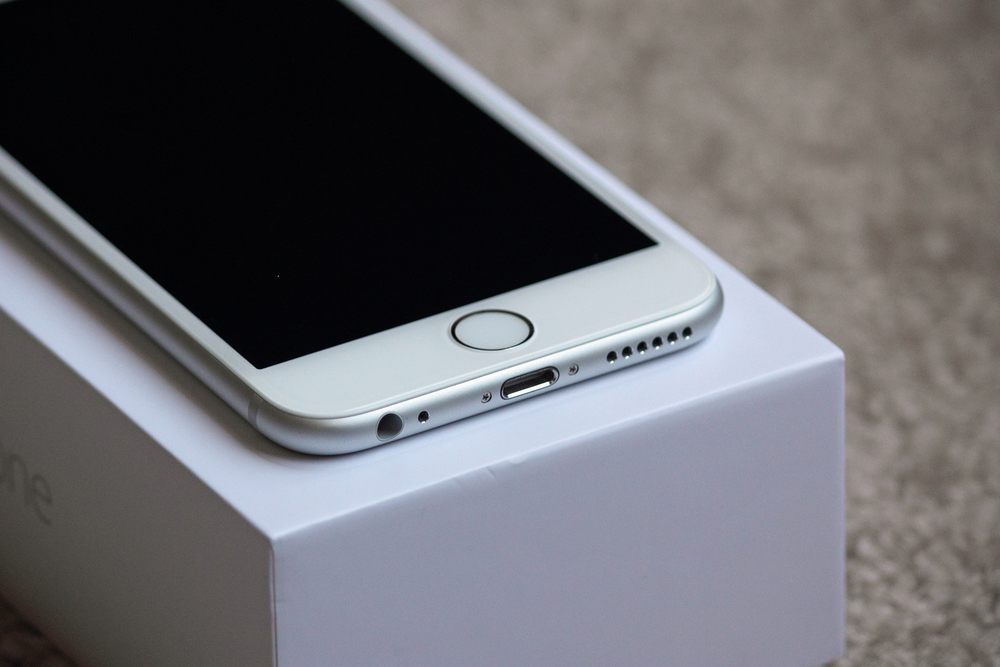
IMAGE BY YANKI01
We're excited to have a guest post by Shannon Clark, founder and CEO of UserWise, a consultancy that helps medical device manufacturers and startups design safe and easy-to-use medical devices. The consultants at UserWise conduct usability testing for a variety of medical devices ranging from surgical robots to home-use injection platforms. UserWise consultants also perform safety assessments to comply with US and international regulations related to Human Factors. This is why we're excited for the privilege of having Shannon guest blog for Zansors!
An “out-of-the-box experience” is the experience a consumer first has when preparing to use a product. The term describes the user's experience from the moment they first remove the product from its packaging through completion of its setup. This experience is important, as it not only impacts the user’s first impression of the product, but it can also have critical safety implications.
First Impressions Define the User Experience
First impressions matter. A first impression can define the customer’s overall long-term satisfaction with a device, their willingness to buy similar devices in the future, and their likelihood of recommending the device to others.
In a usability study comparing the Jawbone Up and the Fitbit Flex, two wearable fitness trackers, participants found the initial unwrapping and setup of the Fitbit Flex to be significantly more intuitive. While both devices needed improvements in their smartphone apps, the users’ “ultimate trust in the data, willingness to continue using the wearable, and general satisfaction with each wearable was heavily influenced by their initial experiences.”
Users are Impatient
Imagine the excitement of receiving a brand new iPhone––you just can’t wait to start using it! Instead of waiting until you get home, you eagerly pull off the tightly sealed lid seconds after you walk away from the cash register. Then, before you know it, your phone drops to the floor.
This scenario isn’t as uncommon as you may think (remember Jack?). In fact, I had the same experience with the iPhone 6. The lid of the box clung to the bottom, and the package’s center of gravity was top-heavy. My iPhone was perched precariously on an insert at the very top surface of the carton, just ready to jump out of the box and onto the floor when I opened it.
These flaws could be addressed through good tolerancing in the carton design specifications, mechanical testing with an adequate sample size of commercial cartons, reliable manufacturing processes, and usability testing with intended users.
With a wearable medical device, not only could this scenario lead to a device malfunction, but it could also present a potential safety concern. For example, a home-use diagnostic device might break, and then present a patient with incorrect diagnostic results. In the case of a wearable glucose monitor, the patient could administer the wrong amount of insulin, which could lead to extremely severe consequences.
Users Skip Reading Instructions
Once a consumer receives a product, they want to use it as quickly as possible. If the instructions are too long and contain unnecessary information, users will skip reading them. Typically, makers of wearable devices make their devices as intuitive as possible so reading the instructions is not required. However, there are certain wearable medical devices in which reading the instructions is a crucial task to safe and effective use of the device.
Ultrasound devices can be used to treat certain pains related to musculoskeletal conditions. Recently, a long duration, low intensity therapeutic ultrasound device was developed for patients to use as a wearable device. In this case, the device is not quite as intuitive as a fitness tracker and requires the user to read the instructions before “wearing” the device.
Here are some ways to create an out-of-the-box experience that will encourage the consumer to read the instructions:
- Place the instructions on top of the device
- Use paper with a texture that has a more substantial feel
- Incorporate visual, attention-grabbing designs
- Avoid large blocks of text
- Keep the instructions separate from other, less-critical information for safety.
Conclusion
The next time you purchase a wearable device, think about the first impression you’re getting as you remove it from the box. Do you trust the device to offer accurate results? Does the device make you feel comfortable, or even excited to use it? In the case that the medical device treats or monitors a medical condition, does the device packaging invite you to read the instructions?
If the out of box experience fails in one of the ways described, the manufacturer may want to spend more time on the out-of-box experience design, and run a usability study with actual customers in order to find ways to improve it!

HxRefactored 2016: Zansors’ Event Recap
Noah Rosenheck, UX Designer at Zansors, attended the HxRefactored conference in Boston last week. Here's his take on the event.

Noah Rosenheck, UX Designer at Zansors, attended the HxRefactored conference this year. The conference convened April 5 and 6 in Boston to cover topics across design and technology in health. In today’s post, Noah shares his take on the event.
Session Highlights
HxR 2016 was great. I was able to go to several great sessions that expanded the way I thought about things, or introduced me to entirely new concepts. I can already envision new ways to apply these concepts at Zansors, where I design user experiences in apps that allow consumers to take charge of their health and know their own health status.
Three notable sessions included:
1. The session on designing to change health behavior with Dustin DiTommaso and Dr. Geoff Williams was a session I particularly enjoyed. It introduced some powerful ideas about how to not only think about changing behaviors, but also to frame and structure change over time.
A fellow attendee @comicnurse illustrated the speaker’s points on motivational dynamics. Here you’ll see autonomy is a value to consider in driving behavior change:
2. The session on New Models for Care Delivery covered the issues that primary care providers (PCPs) face––and shared how companies are trying to change how people find and interact with their PCP. Daniel Stein, CMO at Walmart Care Clinics, explained the strategy and thinking behind their Care Clinic PCP initiative––always interesting to hear how some of the world’s largest companies are engaging in health and tech.
3. I didn’t expect to learn about dance at HxR. On one hand, it may not be super relevant to the scope of the conference itself. But, breaking the ice and giving people who are otherwise strangers something to engage over fosters conversation and connections between attendees.
That's how new ideas get shared and opportunities get created.
Ultimately, this conference was about giving us an opportunity to connect. And beyond that, isn’t there something hypocritical about sitting all day in rooms where people tell you in great detail how bad it is to be sitting all day, and what they are working on to help people change their behavior so they aren’t sitting all day?

What’s next in health and technology?
At HxR2016, behavior change was a strong theme. I think this is because it’s also where there’s great opportunity: there are so many chronic conditions that people live with day in and day out, only because they think they have to. The truth is, many of these conditions are manageable, and technology can help make managing them easier.
It's important that technology meet people where they are.
We have to reduce the time, money and cognitive energy it takes to connect people with the healthcare they need. For me, this has made me think about just how Zansors will be part of that change. We’re prepared to meet people in their own homes and at their own convenience. We reduce the resistance in a patient’s life, so they can engage with their health and know themselves.
We can help people make real and positive changes in their behavior in very specific ways––whether that’s stopping smoking and learning how to overcome or improve insomnia. This becomes a powerful tool when you go beyond a brief, occasional doctor’s visit, and the patient has their health in their own hands.
All in all, HxRefactored was engaging and encouraging. This is where people who are revolutionizing health and healthcare are convening to create better and better technology and design. I know Zansors looks forward to being part of that momentum.

Springtime at Zansors: Progress, Renewal and Excitement
Spring is in the air!!! Spring is a time for opening closets and boxes, airing out the house and renewing actions and activities as we thaw out from the cold winter.

Dr. Abhijit Dasgupta
Spring is in the air!!! Spring is a time for opening closets and boxes, airing out the house and renewing actions and activities as we thaw out from the cold winter. Zansors is no different. We’d like to open our doors and windows and let you in to see what we’ve been up to as a company and the exciting places we’re going in 2016.
Let me start with a re-introduction. Zansors is a biotechnology, sensor and mobile app company based in the DC metro area, who wants to help you Know Yourself. We are involved in several R & D projects with collaborators both locally and nationally, sponsored in part by the National Institutes of Health (NIH), to create the usable, relevant, reliable and accurate tools (not toys) that will help you, your loved ones, and your caregivers learn about you.
Know YourselfTM
This is us, our mission. To help you know yourself. This is why we’re passionate about building the best, reliable and accurate sensor platforms and apps for health and wellness. Today, we live in an “on demand” world where everything, from banking to communication to information, is at our fingertips on our smartphones and pads. We ask, why can’t information about how we’re doing be in the same “on demand” world? Why can’t you instantly know if you’re dehydrated after a run (especially in the muggy East Coast summers), or whether you really achieved a good night’s sleep, or if you’re holding on to stress after a hard day at work, or if you are truly relaxed before you go to sleep. Our bodies are amazing, and like all of nature gives us signals if only we’re willing to listen. Our sensors and apps are your listening device, your portal into how you’re doing. Monitoring breathing, sweat, temperature, heart rate and even components in your skin and blood can provide great insight into your current state, available to you at the touch of a Zansors button. To find out more about how Zansors can help you know yourself, please watch this brief movie.

Image by randy ohc
As a company we are inspired by management guru Jim Collins’ concept of BHAGs, or big-hairy-audacious-goals. Our BHAGs are motivated by our brand ethos of Know Yourself, and are aimed at enabling positive change for individuals, society and humanity as a whole. For example, our sensors can be used for babies in the neonatal intensive care unit (NICU), for children in the poorest parts of the world where they can enable accurate screening of pneumonia, for water testing in homes and communities, for detecting silent heart attacks in women, and for improving the lives of cancer survivors. The common theme here is that we want to produce sensors and apps that empower the individual, the family, and the community. The story of Flint, Michigan is fresh in our minds, and the impact on families there could have greatly reduced if families had access to do-it-yourself water biosensors.
Tools, not toys
Zansors is entering a world where wearables and sensors have become commonplace, but not reliable. A quick Google search can reveal problems with consumer wearables even with as simple a task as counting steps, let alone trying to figure out someone’s sleep. These products are used for a few months, are not reliable or accurate, and soon are consigned to the kitchen drawer. To our way of thinking, these are not useful products; they are toys.
Zansors’ mission of helping you Know Yourself means we will provide you with reliable, accurate, useful products, i.e., products you can depend and rely on as a portal into yourself. As we go through R&D and manufacturing, we’re always driven to build the best evidence-backed products we can. We want to create tools, not toys. This is our map. At every step of our process, we reflect to ensure that we follow this map and create the best possible evidence-driven tools for you. How do we do this?
Superheroes in lab coats in Zansors Labs: We have a superhero team of bioengineers, data scientists, information architects, software programmers, hardware designers and design experts. They work at their desks and on their benches solving hard problems in healthcare that translate into products you will use.
Superheroes building the future: We want to create tools that are futuristic, ahead of our time, and perhaps beyond what you’ve thought possible, or which solve a very hard problem like a BHAG.
Superheroes prove their tools, not just make tall claims: Our tools have already gone through some clinical testing against current gold standards. Many of our tools have been supported by the NIH SBIR (Small Business Innovation Research) and STTR (Small Business Technology Transfer) programs, where they have undergone peer review. We use good study design, statistical thinking, and modern algorithms to ensure that our tools are backed by strong evidence, and we’re willing to show you the data. We will share the “beef” with the scientific community through conferences, journals and scientific reports.
Clinical testing rules!: Tools should be safe, useful and reliable. Many of our tools will need to be tested in a clinical setting. In fact, we want our tools to be in Institutional Review Board (IRB) approved studies, where our tools are required to be safe and effective before being tested on patients and animals. This allows us to assure you that what you get from Zansors is of high quality, safe and effective.
Highlights from 2015
The Zansors scientific and production teams worked hard in 2015 to conceptualize, design and build high quality products that you will soon see. Here are some highlights for the year
Met President Obama to talk about innovation! Yes, that President Obama! The White House invited Zansors Co-Founder and Chief Data Science Officer Dr. Abhijit Dasgupta to attend the highly rated Hardball TV program and talk about small business needs in trade with Asia, and aspects of intellectual property, patents and copyright as it pertains to small businesses and trade. President Obama kept referring to our very own Abhijit as “the good doctor”.
Completed an IRB-approved clinical study: Wearable tools made by Zansors went through our first IRB-approved clinical study on patients. We were lucky to collaborate with the University of Michigan to recruit patients and apply our products to test against gold-standard healthcare technologies.
Winning grants for our sensor and app innovations: The National Institutes of Health (NIH) is one of the world’s premiere organizations supporting innovative research and development in medicine and healthcare technologies. NIH offers research grants to small businesses that are awarded after careful scientific peer review and vetting of commercialization plans. We have been fortunate to be awarded several small business research grants over the year that have helped us advance our technologies, allowed us to maintain our focus on BHAGs and our mission to create tools to Know Yourself, and ensure strong evidence-based products.
Excitement for 2016
Here is a peek at what you can expect from Zansors this year!!
Bring real products: Yes, Zansors is about Research and Development (R&D) and innovation. We have made good progress towards bringing you the tools and products you can use in your own home to Know Yourself. We will be introducing our first product later this year. Stay tuned!
New team members: We have maintained a core group of superhero team members for a few years, but are always on the lookout for great talent to help us on our mission. Among others, we are lucky to have added Nicole Stout, DPT, CLT_LANA as our Vice President of Medical Affairs. Nicole brings an amazing career and experience as a former clinical researcher at Walter Reed Hospital, cancer rehabilitation researcher, and a well-known expert in telemedicine. She’s emblematic of the type of multi-talented individuals that make up this company, driving it to deliver products and tools that will make a difference to the consumer, patient, healthcare professional.
More partnerships: We have built strong partnerships with academic departments and medical centers that support our mission and help with our R&D. We will continue to work with world-class organizations like the University of Michigan, George Washington University, George Mason University and University of Nebraska-Lincoln. In the coming months, we will also be announcing exciting collaborative partnerships with several not-for-profit organizations and large corporations. We also look to expand our partnerships to other Federal agencies beyond successful existing relationships with the NIH and the National Cancer Institute.
As Zansors gears up to show you what's possible to Know Yourself, creating tools that will change the way you view your health and well-being, stay tuned to this channel. We'd love to have you along for the ride!
About the author
Dr. Abhijit Dasgupta is Co-Founder and Chief Data Science Officer of Zansors, LLC.

Lessons from Health Datapalooza 2014
Zansors attended Health Datapalooza in Washington, D.C. from June 1 - 3. This blog is not to summarize the event since there are other great sites to do this. Instead, we want to share our “lessons learned” and other observations.
Zansors attended Health Datapalooza in Washington, D.C. from June 1 - 3. This blog is not to summarize the event since there are other great sites to do this. Instead, we want to share our “lessons learned” and other observations.
First, the Affordable Care Act (ACA) legislation will create new market opportunities for companies to unleash data whether administrative data or clinical data. Entrepreneurial companies like Zansors need to figure out how sensors, apps, algorithms, etc. can unleash the data as the original “liberation” spirit touted by pioneers like Todd Park (CTO of White House) who with Jonathan Bush (CEO of Athenahealth), and others created the Datapalooza movement. We must view the ACA as piece of legislation like Telecommunications Act of 1996 that opened new possibilities especially for entreprenurs. It is very exciting to see how federal agencies like FDA, CMS, NIH and others are unleashing their data so hackers can mash-up the data. The ACA allows taxpayers to see how well or bad our tax dollars are being spent by different stakeholders. In other words, ACA provides some transparency with health data.
Next, the promotion of Accountable Care Organizations (ACO) by the public, nonprofit, and private industry will unleash data. The ACA law helps foster ACO who are building new business models that require quality instead of fee-for-service. We think that ACO will help unleash data by utilizing more mobile and digital health tools like wearable sensors for sleep, physical activity, EKG, and point of care diagnostics. ACO allow for more de-centralized care and more “medical homes.” In this scenario led ACO, data coming from the patient or consumer is more important than data from the old model at the hospital or doctor office. Get ready for ACO!
While at Health Datapalooza, many panelists talked about engaging consumers. If the new focus is on engagement, then we think tools that are more mobile-like and digital-like can be ways to unleash data. Zansors feels that our sensors and apps can work with your mobile phones, tablets, and cable box to give you more useful data that engages you. After all, Zansors’ tagline is “Know Yourself.” If Zansors is going to engage you with data, then we will build the best algorithms and data visualizations so you don’t get dumped with pointless data but instead you get the right data to make decisions. Engagement means that Zansors delivers smart data to “know yourself.”
The final observation from Health Datapalooza is that the focus seemed to be on the collection of data and infrastructure development of data like electronic health records (EHR). This has been going on for a while. We view these activities as necessary for the general ecosystem but that is not where we play. However, Zansors focus will be to create data products that the individual user can consume. We want to give you products where you can “consume” data from your own body and your own body signal (breathing, pulse, blood sugar, etc.). In other words, “know yourself” by “consuming data with consumer products. It’s part of the Zansors way to democratize technology.
As a side note, we are so happy and thankful to the organizers of Health Datapalooza because they highlighted the great aspects of Washington, D.C. The Sunday evening along the river was amazing time over good food and drinks and gave a chance to exchange among great peers. The venue for Health Datapalooza was in the lovely D.C. neighborhood of Adams Morgan so guests caught a snapshot of D.C. charm. Some of the networking events Monday evening allowed guests to see U.S. Capitol or Washington Monument with rooftop view. We look forward to next year’s Health Datapalooza and unleashing more data.
Know Yourself

Zansors Recap at ATA May 2014
Zansors was honored to attend our first American Telemedicine Association (ATA) annual event in Baltimore over three days (May 18 – 20) – we’re coming back next year! Not only was Zansors invited by both the ATA and law firm Jones Day to be part of their invite-only ATA Venture Summit but Zansors had a booth as part..
Reflections from American Telemedicine Association (ATA) and ATA’s Venture Summit
Zansors was honored to attend our first American Telemedicine Association (ATA) annual event in Baltimore over three days (May 18 – 20) – we’re coming back next year! Not only was Zansors invited by both the ATA and law firm Jones Day to be part of their invite-only ATA Venture Summit but Zansors had a booth as part of the ATA’s Startup Zone on the exhibitor floor. And Zansors was featured in ATA’s “Innovation Spotlight” track to share our telemedicine solution – always fun to talk about our sensors, algorithms, and mobile apps. ATA was like a “coming out” party for us. Zansors wants our technologies and innovations to help “Know Yourself.”
The ATA Venture Summit was on Sunday May 18. The event brought together select early stage companies to sit at tables with mentors who have been successful or are subject matter experts. Zansors joined two other great startups at our table – Wellpepper Inc. and CMT Corp. – who focused on software while Zansors was more about hardware sensors. Our subject matter experts came from Fusion, Jones Day, Madrona Venture Group, and Alan Pitts, M.D. Zansors was able to share its story in 10-15 minutes with the table and then get unfiltered advice with no sugar-coating. Constructive criticism on sensor costs, market launch as B2B or B2C, patents and freedom-to-operate, etc. came from the table experts. It’s rare to get someone to listen more than 3 minutes and even more rare to get free advice. There was a feeling of genuine, smart advice from the experts whether or not they liked the venture. Zansors was fortunate to listen and learn and fine-tune our sensor story. Later during the Venture Summit, Zansors was able to have one-on-one sessions with companies like high-growth company Specialists On Call, private equity investor Welsh, Carson, Anderson & Stow, and leading $2B+ company Stericycle. Zansors again made new connections to these individuals who wanted to open doors for early stage company, Zansors. All in all, ATA’s Venture Summit was invaluable and thanks to all.
Telemedicine has so many definitions. But if you walked the trade floor or attended the different sessions, you knew this was a key conference dealing with health and technology. ATA made sure that there were tracks covering a wide range of telemedicine topics like home telehealth, remote monitoring, international, mHealth, TeleICU, TeleRehabilitation, Ocular Telehealth, TeleMental Health, technology, pediatric Telehealth, Telehealth nursing, Teledermatolgy, human factors, and business & finance. Yes, the keynote speeches at ATA were amazing but even more exciting was the vibe people gave off feeling that telemedicine is closer to being implemented now than any time before. ATA attendees could sense that telemedicine has moved from simmering to near-boiling hot! The end goal is that telemedicine will improve outcomes for patients and consumers and also save costs.
Great companies were represented at the talk and on the exhibitor floor. We can’t list all of them but you found Cisco, Philips, Humana, UnitedHealthcare, Department of Defense, Intel, Alere, AMC Health, etc. There were great startup companies in the Startup Zone near the Zansors booth like CaptureProof, PT Pal, and 3Derm. We saw great technologies also by the different companies participating in the Qualcomm Tricorder XPRIZE. In other words, we were surrounded by great tech geeks.
Our mission was to talk about Zansors’ telemedicine solution throughout the ATA show but especially during the ATA “Innovation Spotlight.” Specifically, we wanted to share how our telemedicine solution is helping breast cancer survivors now facing lymphedema. In our telemedicine solution, we have both wearable sensors for sleep and we have a mobile app connecting to our cloud analytics database with the right HIPAA protection and security. This telemedicine solution helps improve quality of life since currently lymphedema patients rely on paper-pen questionnaires. We are fortunate that this telemedicine digital system is supported by the National Cancer Institute (NCI) and NCI’s SBIR Contract program.
It was exciting to have a booth because people stopped by to learn about our telemedicine solution while others just stopped by to pick up our “Bed By 10” button or our “Know Yourself” sticker. We learned that you can meet great contacts and even learn from a discussion. We also learned that we should have some candy at our booth next year.
We should also tell you that we now know why Baltimore is called “Charm City.” The location and weather were perfect since the event was at the Baltimore Convention Center near the inner harbor bay and we experienced sunshine in the high 60's. You can eat along the water and also people watch. So many choices of restaurants within walking distance of the ATA show.
By next year’s ATA's conference, in Los Angeles, Zansors will have grown by then and we want to shape the future of technology, innovation, and health. We hope we can tell you more about our technologies like sensors, MEMS, algorithms, analytics, apps, microfluidics, etc. More importantly, we want to tell you how the Zansors technologies help people and their quality of life with cancer, diabetes, sleep, heart disease, etc. And we will have candy at our expanded booth.
Bravo and thanks to ATA and all of the participants and people we met. “Know yourself.”

Jill Spaeth: Recapping AARP's Innovation Summit
Zansors was one of the top 10 startups (selected out of about 200!) to pitch our sleep sensor to AARP members and venture capitalists.
I’m finally coming down off my adrenaline rush that was last weekend in Boston for AARP’s Innovation@50+ conference. Zansors was one of the top 10 startups (selected out of about 200!) to pitch our sleep sensor to AARP members and venture capitalists (VCs).
We treated this event as an opportunity to launch our brand and get feedback on our first sensor. While the future of Zansors will include different types of sensors, allowing you to collect and understand your personal health analytics on many levels, we started with sleep because we believe it’s the platform on which each day is built. Sleep is at the core of human function.
With polished industrial design images and one of our first prototypes in hand, we met with AARP members, some of our target customers, and got one-on-one feedback on our sensor. We discussed everything from size, shape, feel, use, cost and on the overall idea of capturing one’s sleep quality. Talking to our customers was invaluable – they asked great questions, shared concerns and even gave us some great sales and marketing ideas! My favorite part was seeing their facial expression, in person, after explaining what our product captures and what it can do for their health. With each smile (or astonished stare) I was reminded that all our hard work was worth it. We’re going to improve lives.
The pitch I gave was definitely memorable, and that was the idea. We were there to launch Zansors and our position that health care should be based on you and not someone like you. We want our customers to better know themselves and we’re dedicated to developing products that fit our mission.
I couldn’t end this post without thanking the event host AARP, especially the innovation@50+ team. Giving startups a platform to pitch and share their idea with such a wide audience is a one-of-a-kind opportunity. It’s this kind of forward thinking that keeps large organizations relevant and creates some real possibilities.

Jason Waxberg: The Progression from Toys to Tools
When your aspirations are to change the world for the better are based on unsolved real problems, you better stick to your guns. We have a saying here at Zansors HQ, “Science wins.” We believe that by grounding everything we do in science we can create products and services that will not only bring value to your life, but also maintain that value over time.
When your aspirations are to change the world for the better are based on unsolved real problems, you better stick to your guns. We have a saying here at Zansors HQ, “Science wins.” We believe that by grounding everything we do in science we can create products and services that will not only bring value to your life, but also maintain that value over time.
Zansors products are novel, not novelty. It’s up to us to reshape the conversation away from the step counting gamification into something much greater – using intuitive, non-invasive tools to help maintain health and create better wellness. Under this tools not toys banner, Zansors will be bringing to market its first product and a few new services in the 2nd half of 2014.
Today marks an important step in that direction. Today we announce the beginning of our consumer focused roadshow, expected to last into early summer. We couldn’t be more excited about the opportunity. Through in person events and online portals we’ll be creating exciting opportunities for us to interact with each other to create amazing conversations about the benefits of incorporating scientific tools into your life. Get ready for a lot of science. Get ready for a lot of winning.
This week, members of Zansors’s leadership team will be at AARP’s Spring 2014 Life@50+ National Event and Expo in Boston. We’re excited about a number of opportunities, including the chance to gain feedback from potential customers, meeting with potential partners and of course, presenting at the 3rd AARP Health Innovation@50+ LivePitch, where Chief Creative Officer Jill Spaeth will be introducing to the world our new sleep sensors.
Next week, Zansors will be at the American TeleMedicine Association 2014 in Baltimore, where we’ll be talking about Zansors’s role in digital health and wearable sensors.
We couldn’t think of better places than at the intersection of science and society than to start the next leg of our journey. If you’re going to be at one of these events, stop by and say hello, we would love to hear from you. If not, reach out to us via email or over at Twitter or Facebook.
We’ll be announcing more events in the coming weeks, so stay tuned!
Jason Waxberg, Chief Growth Officer, Zansors

Zansors Aspirations
Zansors is a start-up business with great aspirations. Our aspirations to change the world for the better are based on unsolved real problems. Many of these problems are well defined; this chart explains existing challenges with chronic disease, the aging population, hospital readmissions, and physician shortages.
Aspirations
Zansors is a start-up business with great aspirations. Our aspirations to change the world for the better are based on unsolved real problems. Many of these problems are well defined; this chart explains existing challenges with chronic disease, the aging population, hospital readmissions, and physician shortages. But today, problems like diabetes, obesity, access to affordable care, among many others, are global problems. More than ever, health and wellness solutions should help not only developed countries but also those at the bottom-of-the-pyramid (BOP), as Professor C.K. Prahalad advocated.
A small business like Zansors needs put our flag in the ground declaring our entrepreneurial calling in health and wellness. People may think we are crazy and too ambitious, but that is when Zansors gets inspiration to change the world based on Apple’s brilliant video that says “Think Different.” The role of entrepreneurial companies is to create and destroy. We can’t accept outdated business models that are stagnating progress. As a young company, Zansors needs to be brave; our bravery to accept the challenges facing the world in health and wellness is no different than that exemplified by the excellent video by Red Bull. Certain people embrace challenges even when others may think you are crazy. How does Zansors practice this “think different” mantra and bravery on a practical manner? Well, it starts with the revolution of the Internet and mobile devices. Perhaps the concepts of “Think Different” and bravery are best captured when President John F. Kennedy gave the 1961 speech where he eloquently said “We choose to go to the Moon.”
We live in exciting times, with the Internet, wireless data, and mobile devices like cell phones and tablets. Translating and leveraging these mobile wireless technologies to improve your health and wellness is an exciting prospect for us. Zansors believes that it has the super-hero team and “secret sauce” to bring accessible health and wellness solutions to you. Specifically, we want to bring technology solutions with wearable sensors measuring physiological health (e.g. heartbeat, temperature, pressure) and biofluids (e.g. blood, sweat, etc.), addressing real-life problems and conditions you face. Zansors will commercialize bioengineered devices and apps that improve your health, and make it easier for you to see how you are doing. We will be sharing more specifics examples in the coming months, so stay tuned.
We admire our peer entrepreneurs in all industries but we are reminded of the famous quote by Jeff Hammerbacher (early Facebook employee) who said in Businessweek, “The best minds of my generation are thinking about how to make people click ads. That sucks.” His quote reminds us why Zansors will stay focused in health and wellness. There are so many cool ideas for health and wellness monitoring and improvement in movies like Star Wars, Star Trek, and Minority Report but we have not yet experienced these technologies in the real world. Zansors wants to bring these health technologies to your family and you.
Entrepreneurship is hard and the odds are against entrepreneurs, but at Zansors we play to win. Zansors will share more about our journey in health and wellness with you, and we will share opportunities to co-create with you. We hope you identify goals. We hope you embrace challenge. Be brave. As the famous quote goes about aspirations, “nothing ventured, nothing gained.” Let’s aspire to build better health and wellness solutions together to improve our lives and that of those around us.
- The Zansors Team
Email: info@zansors.com Twitter: @Zansors

What To Do With The Sleep Champ Score Report
So you've been using the Sleep ChampTM app for a few months now and generated score reports for your child. What's next? Important people will need to know your child's sleep quality risk. Sleep ChampTM creates a score report that can be shared from within the app.
So you've been using the Sleep ChampTM app for a few months now and generated score reports for your child. What's next? Important people will need to know your child's sleep quality risk. Sleep ChampTM creates a score report that can be shared from within the app. When you answer the 22 questions, you can review answers to each question within the app. Emailing the score report is a convenient way to share results with loved ones such as family members. The report could also be shared with a pediatrician or nurse before an appointment.
The score report is a PDF file so it can be printed easily. You will have three pages: 1) cover page, 2) explanation of score and risk, and 3) questions with answers. Take this with you to your child's doctor's visit so you can start the conversation on different sleep topics. More helpful resources can be found in the app in the 'About Sleep' tab.
The score reports can be found by pressing the 'Profile' tab at the bottom of the screen. Choose your child and then choose which report you want to email. You can email the report to yourself and print from your computer.
For more information about the Sleep ChampTM app, watch our tutorial video produced by our videographer, Jesse Meria.
Ranjit Das, M.D. Zansors Chief Medical Innovation Officer
Email: ranjit@zansors.com Twitter: @MADEinDNA
More information on the Sleep ChampTM app: Website Download for Apple Download for Android Twitter Facebook

Catching Early Changes in a Child's Sleep Pattern
Hi, I’m Abhijit Dasgupta, Ph.D., the Chief Data Scientist at Zansors. On top of my professional hats, I’m also a dad to two small kids. As a parent I can see very quickly the effects of disturbed sleep on my kids – the crankiness, excitability and lower concentration.
Hi, I’m Abhijit Dasgupta, Ph.D., the Chief Data Scientist at Zansors. On top of my professional hats, I’m also a dad to two small kids. As a parent I can see very quickly the effects of disturbed sleep on my kids – the crankiness, excitability and lower concentration. Occasional disturbed sleep patterns happen, whether because of a late night, a late sugar binge, a movie or TV show that affected them more than we thought, a fight with friends. As a data scientist I know that occasional events do not make a pattern, but if a pattern of bad sleep starts I want to catch it early. That’s why I was so excited when we started developing Sleep ChampTM.Why am I, as a parent, so concerned about my kids' sleep? Of course, I see the immediate short term behavioral effects, which are certainly irritating and disruptive. Modern sleep research has thrown up more serious long term effects of a poor sleep pattern, specially in kids and adolescents. Lack of sleep or poor sleep patterns have been associated with poor cognitive development, lower IQ, increased risk of obesity later in life, development of ADHD, higher risk of Type II diabetes, lower memory capacity, depression and anxiety. Poor sleep can directly lead to poorer grades, which sets kids up to be not as successful as their potential. As a parent my job is to prepare my kids to become successful adults, and give them the best possible chance to succeed. Given the potential downsides, having my kids develop good sleep habits, and intervening if I see patterns of poor sleep, seems to me a no-brainer.
The Sleep ChampTM app we developed at Zansors is an easy way to quantifiably monitor my kids' sleep. It’s based on state-of-the art sleep research at the University of Michigan Sleep Disorders Center by a renowned specialist, Dr. Ronald Chervin, in childhood sleep. It looks for problems that the most recent American Academy of Pediatrics guidelines suggest are symptomatic of poor sleep patterns and sleep apnea. Regularly using the Sleep ChampTM app and monitoring my kids' sleep score allows me to detect changes in my kids' sleep and start a conversation with our pediatrician earlier rather than later. To me, an occasional blip in the radar is just that, but a change in pattern means a time for change.
At Zansors, we are very excited about our products and their quality, and our ability to translate validated cutting edge research to useful consumer applications. As a parent, having something like the Sleep ChampTM on my smartphone or tablet allows me to take care of my kids better, and gives me a better chance of raising happier, healthier kids. I hope you can have the same positive experience that I’ve had with the Sleep ChampTM and other products we are testing right now and will release in the near future.
Good luck, and sweet dreams.
Abhijit Dasgupta, Ph.D. Zansors Chief Data Scientist
Email: abhijit@zansors.com Twitter: webbedfeet
More information on the Sleep ChampTM app:Website Download for Apple Download for Android Twitter Facebook

Video: Overview of a Good Night’s Sleep for Children by Kathy Wilson, M.D.
Zansors, Doctor Patient Medical Association and Sleep ChampTM are very fortunate to have Kathy Wilson, M.D. as a guest for our first Fireside Forum online discussion that will take place Saturday, September 22nd 2012 at 2pm.
Zansors, Doctor Patient Medical Association and Sleep ChampTM are very fortunate to have Kathy Wilson, M.D. as a guest for our first Fireside Forum online discussion that will take place Saturday, September 22nd 2012 at 2pm. Dr. Wilson is a Research Fellow and Clinical Lecturer in the Department of Neurology, the Department of Pediatrics and the Sleep Disorder Center at the University of Michigan. Dr. Wilson’s research focuses on challenges to healthy sleep among preschool and elementary school children in low-income neighborhoods. We interviewed Dr. Wilson earlier this week so we know how passionate she is about sleep medicine.
Our goal is to give parents the opportunity to ask questions live and online with Dr. Wilson during Saturday’s forum. To get parents thinking about sleep for children and what questions to ask, we created this video. It’s very informative and helpful to give your child the best night’s sleep possible. Video highlights:
1) Benefits of sleep 2) Recommended hours of sleep for children 3) Signs children may not be getting a good night sleep 4) Other health risks of not getting enough sleep 5) Tips to get a better night sleep
Enjoy the video and we look forward to seeing you on Saturday. For more information about the Fireside Forum, visit our information page at http://www.zansors.com/fireside-forum-information and sign up at http://fireside-forum.zansors.com
We’d also like to thank our video producer Jesse Meria for his videography talents. Jesse produces videos for the University of Michigan and Cunning Expressions Photography and Videography. He is one of our esteemed parents and has shared his adventures in parenting with Sleep Champ.
Ranjit Das, M.D. Zansors Chief Medical Innovation Officer
Email: ranjit@zansors.com Twitter: @MADEinDNA
(Sleep Champ is a product of Zansors, based on University of Michigan technology. It is not a product of the University of Michigan Health System.)

Learn About Sleep Expert Dr. Kathy Wilson
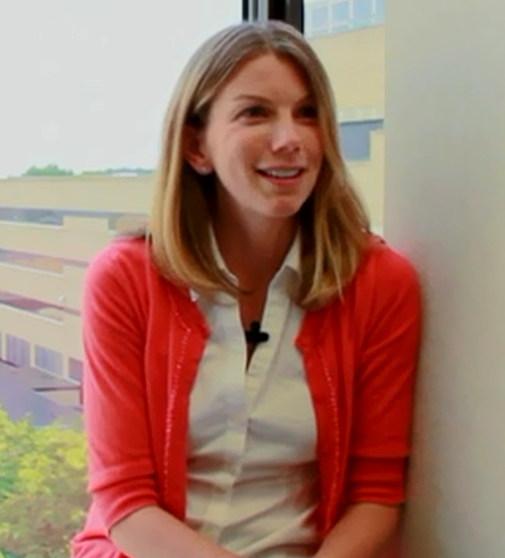
Zansors recently interviewed a special guest, Kathy Wilson, M.D., who is a pediatrician with the University of Michigan Sleep Disorders Center. Zansors sent Dr. Wilson a few questions to answer and we hope you get to know Kathy a little more outside of her professional duties.
Dr. Kathy Wilson
Zansors recently interviewed a special guest, Kathy Wilson, M.D., who is a pediatrician with the University of Michigan Sleep Disorders Center. Zansors sent Dr. Wilson a few questions to answer and we hope you get to know Kathy a little more outside of her professional duties.
The Q&A with Kathy is a warm-up before an online event we are hosting this Saturday, September 22nd at 2 p.m. On Wednesday September 19th, Zansors will announce how Dr. Wilson will help parents with their child's sleep quality.
Question: What got you interested in studying sleep, and why kids and sleep in particular?Dr. Wilson: I initially became interested in sleep medicine during my pediatrics residency. I had the opportunity to work with several families struggling with their children’s sleep and I saw firsthand how much of an impact it can have on not only the child but the entire family.
Question: Is there anyone in your family with sleep problems?Dr. Wilson: Nobody in my family has sleep problems.
Question: How's your sleep? Have you ever gone through a phase where you didn't sleep well? What did you do about it?Dr. Wilson: I am fortunate to be a good sleeper and I really make an effort to practice good sleep habits and go to bed at the same time each night. Sometimes when I have a lot on my mind, I may have a harder time falling asleep. On those nights, I will get up out of bed and read quietly until I am sleepy and then go back to bed.
Question: What's the most fascinating thing you know about sleep?Dr. Wilson: I am most fascinated by the body’s internal clock (circadian rhythm), and how it uses cues from the environment to signal that it is time to go to sleep and time to wake up.
Question: If you could give parents one word of advice about sleep and their kids, what would it be?Dr. Wilson: Routine :-)
Join Dr. Wilson on Saturday, September 22nd at 2 p.m., for a live online Q&A. Dr. Wilson will give participants an overview of a good night’s sleep and field questions from participating parents.
Jill MacNeice Chief Experience Officer
Email: jill@zansors.com Twitter: @jmacneice
(Sleep Champ is a product of Zansors, based on University of Michigan technology. It is not a product of the University of Michigan Health System.)

A New Sense of Urgency: Next Steps After the American Academy of Pediatrics Revised Guidelines for Sleep Apnea and Snoring for Children
On Monday, August 27th 2012, the American Academy of Pediatrics (AAP) released new guidelines for physicians regarding uncomplicated obstructive sleep apnea syndrome (OSAS), a condition where breathing is interrupted during sleep in relation to enlarged tonsils or obesity.

American Academy of Pediatrics
On Monday, August 27th 2012, the American Academy of Pediatrics (AAP) released new guidelines for physicians regarding uncomplicated obstructive sleep apnea syndrome (OSAS), a condition where breathing is interrupted during sleep in relation to enlarged tonsils or obesity. These new guidelines come ten years after initial guidelines were implemented in 2002 where further research on childhood sleep apnea was produced. Between 1999 and 2010, 3166 new articles were written with 350 providing relevant data. The report states that if left untreated, delayed diagnosis of childhood sleep apnea can lead to complications affecting behavior, learning, cardiovascular system, growth and development.Recommendations remain similar: at routine health visits for all children, physicians should inquire if a child or teen snores regularly. Standard of care remains focused on sleep studies, adenotonsillectomy, CPAP machine (continuous positive airway pressure – a nighttime breathing apparatus) and weight reduction.
A search query for AAP sleep guidelines shows an abundance of coverage for the recent news. However, what happens next will strengthen these guidelines. Zansors believes three areas of focus need to occur:
- Awareness – Sleep medicine for children needs more attention. Your child’s sleep is related to many aspects of their lives and guides their daytime activities. Sleep affects their health and wellness, therefore, we should learn more about a child’s sleep beyond the amount of sleep, but also the quality of sleep he/she gets each night.
- Physician action – Physicians are clear on their screening practices. The total spectrum of sleep quality should be evaluated beyond snoring and sleep-related breathing disorders.
- Parent empowerment – The most likely opportunity to report to a pediatrician if a child snores is by the parents who need easy-to-understand, self-help tools and guiding information to participate in this process to initiate proper identification and management of childhood sleep apnea.

Is Your Little Sleeper a Sleep Champ?
We at Zansors are passionate about improving sleep quality for children and teens. The Sleep ChampTM app addresses concerns addressed by the AAP. Sleep ChampTM guides parents through a series of questions relating to snoring, breathing difficulties, behavior, growth and development. After answering questions, a score report is generated which can be printed or emailed. Sleep ChampTM also includes web resources to help parents understand various medical terms addressed in the questions. These questions were developed through 15 years of clinical research by Dr. Ronald Chervin of the University of Michigan Sleep Disorders Center in Ann Arbor, Michigan. We find this can be a powerful tool for parents who wish to initiate the evaluation of sleep apnea for their child. If you are still not convinced about Sleep ChampTM, then check out our other blogs by our own staff who are parents or even my “Top 10” list.
In the coming days, we will announce our strategy for social engagement and public service for those who wish to join a community of empowered parents who wish to utilize the AAP’s guidelines. Physicians need the collaborative efforts of parents in identifying children who snore.
Child snoring is not funny, child snoring is serious.
Ranjit Das, M.D. Zansors Chief Medical Innovation Officer
Email: ranjit@zansors.com Twitter: @MADEinDNA
More information on the Sleep ChampTM app:Website Download for Apple Download for Android Twitter Facebook

Top Ten Reasons to Download the Sleep Champ App
We at Zansors have been busy with Sleep ChampTM. It’s been a very exciting launch! We’ve learned a lot about ourselves and the world of sleep medicine. My name is Dr. Ranjit Das and I am the Chief Medical Innovation Officer at Zansors. My role is to bring new ideas through medicine to our technology and products.
Top Ten Reasons to Download Sleep ChampTM App
By Ranjit Das, M.D.
Zansors Chief Medical Innovation Officer
We at Zansors have been busy with Sleep ChampTM. It’s been a very exciting launch! We’ve learned a lot about ourselves and the world of sleep medicine. My name is Dr. Ranjit Das and I am the Chief Medical Innovation Officer at Zansors. My role is to bring new ideas through medicine to our technology and products. It’s been my passion to help individuals with their health and wellness using technology in new and exciting ways.
By bringing relevant news to our Facebook and Twitter pages, we realize there can be “information overload”. Here is our top ten list to recap our launch month and why we think you should check out the Sleep ChampTM app to empower your little sleeper.
To read more and see multimedia, click the topics below. Without further delay...the top ten list:
1. The American Academy of Pediatrics changed their clinical guidelines.
The American Academy of Pediatrics recently established that if a child snores regularly, they should be evaluated for sleep apnea. We didn’t put snoring as the first few questions for no reason. Answer simple questions to find out if your child’s doctor should evaluate for sleep apnea.
2. It's back to school time.
our child probably started school this week and is adjusting to a new sleep schedule. The number of hours a child sleeps is important, but we think quality is just as important. The Sleep ChampTM app addresses sleep quality for you.
3. Help you take action.
You’ve read the information we share on the Sleep ChampTM Facebook and Twitter pages, now take an active role beyond reading articles. By using an app, you are empowering yourself and your child’s health and wellness.
4. Sleep ChampTM app is powered by University of Michigan technology and research.
For you, this means Sleep ChampTM has been investigated by clinical research conducted by Dr. Ronald Chervin who is the director of the University of Michigan Sleep Disorders Center. Dr. Chervin is our Sleep ChampTM ambassador. Watch him talk about his role and passion for sleep medicine.
5. Build awareness so you can talk to the pediatrician.
Did you know mouth breathing and behavior are tied to sleep related breathing disorders? The Sleep ChampTM app is a tool to increase awareness based on topics that doctors find important regarding sleep medicine.
6. We launched our tutorial video this week.
Learn how to use the Sleep ChampTM app with our video. Even our video producer, who is a parent, had some things to say about how he gets his kids to bed and his "three alarms". Here is a link to his blog post: September 4th, 2012 My Experience Producing the Sleep Champ Tutorial Video
7. When your child sleeps well, you sleep well.
Parents always take care of their child’s health, but are you making sure you are sleeping well too? Parents can learn too while teaching good habits to their children when using the Sleep ChampTM app.
8. Dancing babies and sleeping babies.
When your child sleeps well, they know how to have a good time! These babies agree: Dancing Babies & Restful Waking Baby
9. Sleep ChampTM app will give you simple and easy to understand results.
The app tells you how to use this score and what low risk sleep quality means based on the questions in the questionnaire. We even help you email the score report to loved ones. For each question in the questionnaire, we provide helpful resources to understand what each health topic means for your child. This can help you talk to your child about sleep topics and symptoms.
10. Caring parents want the best for their child.
You’ve taken the first step by visiting our site. Learn more and contact us if you have any questions about the Sleep ChampTM app. We are here for you. After you’ve read this list you’ll find our links, say hello via Twitter or Facebook!
Thank you and sleep well!
Ranjit Das, M.D. Chief Medical Innovation Officer
ranjit@zansors.com Twitter: @MADEinDNA
More information on the Sleep ChampTM app: Website Download for Apple Download for Android Twitter Facebook

Sleep Champ Tutorial Video - My Experience Producing the Tutorial Video
It’s my pleasure to introduce the newest video for Zansors’ Sleep ChampTM app: a video tutorial for how to use the Sleep ChampTM app to check your child’s sleep quality.
Sleep ChampTM Tutorial Video - My Experience Producing the Tutorial Video
By Jesse Meria
Video Producer
It’s my pleasure to introduce the newest video for Zansors’ Sleep ChampTM app: a video tutorial for how to use the Sleep ChampTM app to check your child’s sleep quality.
My name is Jesse Meria and I’m a Video Producer with the University of Michigan and Cunning Expressions Photography and Videography. I was introduced to Zansors and wanted to produce videos for Sleep ChampTM right away. It was a pleasure producing their inaugural video: an interview with Dr. Ronald Chervin who is the director of the University of Michigan Sleep Disorders Center. The initial phone call from Zansors to propose the project was exciting. Zansors is enthusiastic and really thrives to pull out your creative thinking. Although I am working for them from another state, they made me feel like a part of the team with conference calls and a photo of their immediate team.
Sleep ChampTM also inspired me because I am a parent myself. I have two children, a 10 year old and a 6 year old son. I try to volunteer in my child’s school as often as I can and it is very easy to notice the children who did not get enough sleep the night before. I’m good at observing and I also see myself as someone who like to learn my lesson and then make the change to better the life of my family. Being such a busy family, I have had to set 3 alarms to get my kids ready for bed each night, one for “bath, brush teeth and PJ’s” , one for “reading time” and last, “lights out”. This helps keep our routine and if we don’t follow it, we do regret it the next day, the kids are cranky, they can’t focus on school work, feeling groggy and or just sleeping in until noon and missing out on the day.
I wanted to make this video unique from my previous work. I knew Zansors would allow a fun and creative approach so I decided to use my favorite spokesperson as the narrator, my son! I wish I could show you the joy he had when he heard he would be the voice behind Sleep ChampTM. It was a natural fit because he is my little champ. I’m always asking my two sons for ideas when I have new projects. They can usually come up with some very creative things that I would not have otherwise thought of on my own. Most importantly it’s just a great feeling to be able to see their excitement when they are a part of something fun like this. In the end, it is all fun. My 10 year old was jealous that his brother was able to work with me, but I told him we will make up for it. I knew exactly what I wanted to do with this project and with the outline that Zansors sent me, everything just fell into place. I’m looking forward to doing more creative videos with Zansors in the future.
So thank you for watching the video. It represents my work which I enjoy so much and something I value as a father, the promotion of good sleep quality I want for my own children.

Sleep Champ: Bringing Back Bedtime - Post from “Crazy House Reviews – From a Mom Who Knows”
As a mom, I know firsthand how difficult it can be on the family when your kid has a bad night. I also know how helpless you can feel when you sense your kid is having a hard time during the day, but you don’t know why.
Sleep ChampTM: Bringing Back Bedtime
By Jill MacNeice
Zansors Chief Experience Officer
As a mom, I know firsthand how difficult it can be on the family when your kid has a bad night. I also know how helpless you can feel when you sense your kid is having a hard time during the day, but you don’t know why.
Sleep quality directly affects how a child feels and behaves during the day. Sleep plays key roles in children’s development -- mood, behavior, school performance and social interactions, as well as growth, lung and heart function, and immune system. If your son or daughter is having sleep problems, it could affect them now—and for years to come. Also, serious ailments such as sleep apnea could be hiding behind poor sleep quality.
That’s why, I feel it’s important to check your child’s sleep quality in more than a casual way. I’ve been involved with the development of Sleep ChampTM ,a new mobile app. I’m really proud of the outcome and benefits it will have for parents. The app lets you set up profiles for all of your children. You fill out a short questionnaire about sleep habits, snoring, daytime sleepiness, and even things that you might not associate with sleep quality, like bed wetting and hyperactivity. You get a score that will help you determine how urgent it is to bring up sleep issues with your child’s pediatrician.
I made sure Sleep ChampTM is easy to use. But don’t be fooled by the simplicity. It is based on years of validated scientific research. The questions and sleep quality score are adapted from the Sleep Related Breathing Disorders (SRBD) scale, designed by Dr. Ronald Chervin [watch video]. Dr. Chervin is a nationally known sleep expert and director of the Sleep Disorders Center at the University of Michigan. This little app is like getting the best of evidence-based sleep medicine—at home.
Sleep Champ Screenshot
One of the most useful features: you store all the profiles and scores right on your phone or tablet. You can make notes in the moment, bring it to the doctor, discuss it step-by-step. The app also provides information and top resources on sleep problems and symptoms. Skip the internet searches and go straight to the right information, and ask your doctor the right questions.
Sleep Champ is available in the Apple App Store and the Google Play Store for $3.99. It doesn’t take the place of a doctor for diagnosis and treatment, but it will help you hone in on your child’s symptoms so your doctor visit is focused on nailing the diagnosis and finding the solution.
An informed parent is a child’s best advocate, not just with the doctor, but also with teachers, guidance counselors, and life in general. Sleep ChampTMempowers you to be this advocate, with the simple idea that tuning in more closely to your kids’ sleep habits and behavior can be just as powerful as a medical examination.
If you suspect your child is having sleep-related problems – or problems that you’re not sure what to attribute to – try it out. We all know that the only thing more comforting than a peaceful night’s sleep is peace of mind – particularly when it comes to our children’s health.
Jill MacNeice Chief Experience Officer
Email: jill@zansors.comTwitter: @jmacneice
More information on the Sleep ChampTM app:Website Download for Apple Download for Android Twitter Facebook